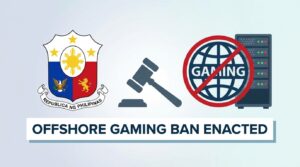
In a significant policy shift, the Philippine government has implemented a nationwide ban on Philippine Offshore Gaming Operations (POGOs), consolidating various regulations into a single framework. Announced on April 22, 2026, by Executive Secretary Ralph Recto, the new Standard Operating Procedures (SOPs) aim to eradicate illegal gambling activities that have proliferated in recent years. This comprehensive approach merges Executive Order (EO) 74 and Republic Act (RA) 12312, known as the POGO Ban Act, thereby enhancing enforcement capabilities against unlicensed gambling operations.
Key Business Implications of the POGO Ban
The consolidation of laws into a unified framework is poised to have far-reaching implications for stakeholders in the gaming industry, law enforcement, and the broader economy. The following key takeaways outline the strategic interpretations of this development:
New Enforcement Rules for POGOs
In conjunction with the nationwide ban, the Philippine government has introduced new enforcement rules aimed at regulating Philippine Offshore Gaming Operators (POGOs). These measures, announced by the Department of Justice, are designed to streamline compliance and improve transparency in the gaming sector. This initiative is part of broader efforts to combat illegal gambling activities and their societal impacts, as detailed in the recent report on the enforcement of new rules regarding the national ban on POGOs at iGaming Tomorrow.
- The ban is expected to significantly reduce illegal gambling activities, potentially increasing tax revenues from legitimate gaming sectors.
- Operators and investors in the gaming industry will need to reassess their business models in light of the new regulatory landscape.
- The government will likely increase its focus on compliance and enforcement, leading to stricter penalties for violations.
- Stakeholders must prepare for potential disruptions in the labor market, as many employees in the POGO sector may face job losses.
- The comprehensive nature of the SOPs may serve as a model for other countries grappling with similar issues related to offshore gaming.
Overview of the New Regulatory Framework
The new SOPs represent a significant overhaul of the existing regulatory environment surrounding gaming operations in the Philippines. By integrating 15 separate laws and department orders, the government aims to create a streamlined process for enforcement and compliance. Key elements of the framework include:
- Unified Enforcement Mechanism: The SOPs establish a centralized authority responsible for monitoring and enforcing compliance across all gaming operations.
- Clear Guidelines for Operators: The framework provides explicit guidelines for legal gaming entities, ensuring clarity in operations and compliance expectations.
- Stricter Penalties: The new regulations introduce harsher penalties for violations, aimed at deterring illegal activities.
Market Reactions and Stakeholder Perspectives
The announcement has elicited mixed reactions from various stakeholders within the gaming and business communities. While some industry leaders express concern over potential job losses and economic impacts, others view the ban as a necessary step towards establishing a more regulated and sustainable gaming environment.
According to industry analyst reports, the gaming sector has been a significant contributor to the Philippine economy, generating substantial revenue and employment opportunities. However, the rise of unlicensed operations has raised concerns regarding regulatory compliance and consumer protection.
Regulatory Implications for the Gaming Sector
The POGO ban signifies a broader trend among governments worldwide to tighten regulations surrounding online gaming and gambling. As countries increasingly recognize the risks associated with unregulated gaming, the Philippine government’s decisive action may influence similar policy shifts in the region.
Regulators will likely focus on enhancing consumer protection measures, ensuring that legal operators adhere to responsible gaming practices. This may involve increased scrutiny of marketing practices and the implementation of robust safeguards against problem gambling.
Potential Economic Impact
The economic ramifications of the POGO ban are expected to be substantial. While the immediate effect may result in job losses for those employed in the POGO sector, the long-term outlook could see a more stable and regulated gaming environment that fosters legitimate business growth.
Moreover, the government anticipates that the ban will lead to an increase in tax revenues from legal gaming operations, which could be reinvested into public services and infrastructure projects.
FAQs on the POGO Ban
What are Philippine Offshore Gaming Operations (POGOs)?
POGOs refer to online gaming operators that offer gambling services to customers outside the Philippines, often without proper licensing.
What prompted the Philippine government to implement this ban?
The ban was motivated by concerns over illegal gambling activities, tax evasion, and the need for enhanced consumer protection.
How will this affect employees in the gaming sector?
Many employees in the POGO sector may face job losses as a result of the ban, prompting the need for retraining and support programs.
What are the expected outcomes of this regulatory change?
The government aims to reduce illegal gambling, increase tax revenues from legitimate operations, and enhance consumer protection measures.
Further Considerations for Stakeholders
As the gaming landscape continues to evolve, stakeholders must adapt to the new regulatory environment. Operators should consider diversifying their offerings to align with legal requirements while exploring opportunities within the regulated gaming space. Investors may need to reassess their portfolios, focusing on companies that demonstrate compliance and sustainability in their operations.
In conclusion, the Philippine government’s comprehensive ban on POGOs reflects a growing commitment to regulating the gaming industry effectively. As enforcement mechanisms become more robust, the emphasis on compliance will likely shape the future of gaming in the region.
For more information on the Philippine gaming industry, visit PAGCOR.



