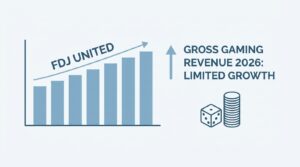
FDJ United, a prominent player in the gaming industry, has commenced 2026 with modest growth in gross gaming revenue (GGR) and a notable decline in overall revenue. This development raises concerns among stakeholders regarding the company’s financial health and future prospects. The report highlights challenges in maintaining revenue streams amidst a competitive landscape.
Strategic Insights on FDJ United’s Performance
The limited growth in GGR and the decline in revenue are significant indicators of the current market dynamics. As FDJ United navigates these challenges, several insights emerge regarding the implications for stakeholders:
Industry Comparisons in Revenue Growth
As FDJ United grapples with limited growth in gross gaming revenue, other companies in the gaming sector are also reporting mixed results. For instance, Boyd Gaming recently announced a modest revenue increase of 2% for the first quarter of 2026, despite facing similar challenges in the Southern Nevada gaming market. This contrast highlights the varying strategies and outcomes among gaming companies as they navigate a competitive landscape influenced by economic fluctuations and changing consumer behaviors, as detailed in their report on revenue performance here.
- Investors may need to reassess their expectations for short-term returns based on the company’s current financial trajectory.
- The decline in revenue could prompt strategic shifts, including potential cost-cutting measures or reallocation of resources to more profitable ventures.
- Regulatory scrutiny may increase as the company seeks to adapt to a changing market environment, particularly in areas related to compliance and responsible gaming.
- Stakeholders should monitor consumer behavior trends, as shifts in player preferences could inform future product development and marketing strategies.
Market Context and Regulatory Implications
The gaming industry has faced significant changes in recent years, driven by technological advancements and evolving consumer preferences. FDJ United’s performance is reflective of broader market trends, where competition is intensifying, and regulatory frameworks are becoming more stringent. For instance, recent legislation in various jurisdictions aims to enhance consumer protection and promote responsible gaming practices.
According to industry reports, the global online gaming market is projected to reach $127 billion by 2027, growing at a compound annual growth rate (CAGR) of 11.5%. However, companies like FDJ United must navigate these growth opportunities carefully, ensuring compliance with local regulations while also addressing the challenges posed by market saturation.
Financial Performance Analysis
In its latest financial disclosures, FDJ United reported a GGR increase of only 2% year-over-year, a stark contrast to the 10% growth seen in the previous year. This stagnation can be attributed to several factors:
- Increased competition from both established and emerging gaming operators.
- Shifts in consumer spending habits, with players gravitating towards more innovative gaming experiences.
- Regulatory changes that have impacted promotional strategies and customer acquisition costs.
Furthermore, the company’s overall revenue fell by 5%, primarily due to higher operational costs and a decrease in player engagement. This trend highlights the importance of strategic investment in technology and customer retention initiatives.
Stakeholder Reactions and Future Outlook
Stakeholders, including investors and industry analysts, have expressed concerns regarding FDJ United’s ability to sustain growth in this challenging environment. The company’s response to these challenges will be critical in shaping its future trajectory. Analysts suggest that a focus on innovation, customer experience, and strategic partnerships could provide avenues for recovery and growth.
Additionally, the potential for expansion into emerging markets may offer new revenue streams. As jurisdictions around the world continue to legalize and regulate online gaming, FDJ United could capitalize on these opportunities by adapting its offerings to meet local demands.
Key Takeaways from FDJ United’s 2026 Performance
As FDJ United navigates the complexities of the gaming industry, several key takeaways emerge that highlight the business implications of its current performance:
- Limited growth in GGR suggests a need for strategic innovation to enhance product offerings.
- Declining overall revenue may necessitate operational restructuring to improve efficiency.
- Increased regulatory scrutiny could impact marketing strategies and operational practices.
- Monitoring consumer trends will be essential for aligning future business strategies with market demands.
FAQs on FDJ United’s Market Position
What factors contributed to FDJ United’s limited growth in GGR?
Factors include increased competition, shifts in consumer spending, and regulatory changes impacting promotional strategies.
How does the decline in revenue affect FDJ United’s operational strategy?
The decline may lead to cost-cutting measures and a reevaluation of resource allocation to focus on more profitable ventures.
What are the implications of regulatory changes for FDJ United?
Regulatory changes may necessitate adjustments in marketing strategies and operational practices to ensure compliance and promote responsible gaming.
For further information on FDJ United, visit their official website at FDJ.



