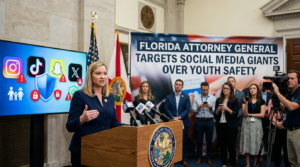
Florida Attorney General James Uthmeier has taken a firm stance against major social media platforms, including Google, Meta, Reddit, Snap, and TikTok, demanding they cease the promotion of harmful content to minors. This initiative, announced on October 25, 2023, aims to safeguard the well-being of children and adolescents in the digital landscape. Uthmeier’s actions come amid growing concerns about the mental health impacts of social media usage among young users.
Why This Initiative Matters
The push for regulatory action is rooted in alarming statistics. Recent studies indicate a significant rise in anxiety, depression, and other mental health issues among youth, correlating with increased social media engagement. Uthmeier’s demands highlight a critical intersection of technology, health, and policy, urging these platforms to take responsibility for the content they disseminate.
Strategic Insights
As the legal landscape around digital content evolves, the implications for these social media giants are substantial:
Implications for Business Operations
- Increased scrutiny on content moderation practices could lead to operational changes within these platforms.
- Potential legal ramifications may arise if companies fail to comply with state regulations, leading to costly litigation.
- Reputational risks are heightened, as public perception shifts towards accountability for user safety.
- Investments in AI-driven content moderation tools may become a priority to preempt regulatory pressures.
Contextual Background
Florida’s initiative is part of a broader trend where state attorneys general across the U.S. are increasingly holding tech companies accountable for their impact on youth. The Attorney General cited specific instances of harmful content that have been linked to adverse mental health outcomes. By focusing on platforms that cater to younger audiences, Uthmeier aims to catalyze a significant shift in how these companies approach content curation.
Stakeholder Reactions
Reactions from the implicated companies have varied. While some platforms have publicly committed to enhancing their content moderation practices, others have expressed concerns about the feasibility and implications of such demands. For instance, TikTok has previously stated its commitment to user safety and has implemented various features aimed at protecting younger users from inappropriate content.
Market Dynamics and Regulatory Implications
The regulatory environment surrounding social media is rapidly changing. As states like Florida take a proactive approach, it raises questions about how similar actions could influence federal regulations. Legal experts suggest that this may lead to a patchwork of state laws that complicate compliance for national platforms.
Key Takeaways for Industry Stakeholders
Understanding the landscape of social media regulation is crucial for stakeholders:
- Businesses must adapt to evolving compliance requirements to mitigate risks.
- Engagement with policymakers will be essential to shape balanced regulations that protect users without stifling innovation.
- Monitoring public sentiment and adjusting corporate strategies accordingly will be vital in maintaining brand integrity.
FAQs on Social Media Regulation
What is the main goal of Florida’s initiative?
The initiative aims to protect minors from harmful content on social media platforms by urging companies to enhance their content moderation practices.
How might this affect social media companies?
Companies could face increased regulatory scrutiny, potential legal challenges, and the need to invest in more robust content moderation technologies.
Are other states considering similar actions?
Yes, several states are exploring legislation aimed at holding social media platforms accountable for the mental health impacts of their content on youth.
Future Considerations for Social Media Platforms
As the conversation around youth safety and social media continues to evolve, platforms must navigate the complex landscape of user engagement and regulatory compliance. They may need to rethink their algorithms and advertising strategies to align with emerging standards. Furthermore, the development of partnerships with mental health organizations could serve both as a proactive measure and a public relations strategy.
External Resources
For more information on the policies of the companies involved, visit their respective websites: Google, Meta, Reddit, Snap, and TikTok.



