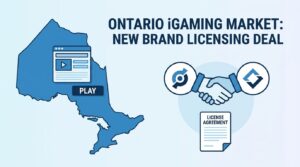
A fresh brand licensing agreement has opened the door for a new igaming offering in Ontario, Canada’s most active regulated online gambling market. The deal grants a company the rights to operate under an established brand name, positioning it to tap into a province where monthly revenue figures continue to climb. While specific financial terms of the arrangement remain undisclosed, the move signals continued commercial appetite for Ontario’s competitive digital gambling landscape.
What This Brand Licensing Agreement Means for Ontario’s iGaming Sector
Brand licensing in igaming is not new, but its strategic importance has grown sharply as more jurisdictions regulate and operators scramble for differentiation. Ontario, which opened its regulated igaming market in April 2022 under the Alcohol and Gaming Commission of Ontario (AGCO) and iGaming Ontario, has attracted dozens of operators. Standing out requires more than a platform and a licence. It requires recognition.
- The agreement allows the licensee to leverage an existing brand’s equity to accelerate market entry, bypassing the slower process of building awareness from scratch.
- Ontario’s regulated market generated over CAD $700 million in total gaming revenue in fiscal year 2023–2024, making brand positioning a high-stakes exercise.
- Licensing deals of this nature often include revenue-sharing structures, which reduce upfront capital risk for the operator while providing the brand owner with a recurring income stream.
- For consumers, a recognizable name can reduce friction in sign-up decisions (a distinction regulators have been slow to enforce in terms of brand transparency requirements).
- The deal reflects a broader pattern: operators increasingly prefer licensing established names over building proprietary brands in crowded markets.
Why Ontario Keeps Attracting Operators
Ontario’s regulated igaming framework has become something of a template for other Canadian provinces watching from the sidelines. The market’s appeal rests on a few concrete pillars. A population exceeding 15 million. A regulatory structure that, at least on paper, balances consumer protection with commercial flexibility. And a digital-first consumer base already comfortable with online transactions.
Yet the market is far from easy.
Over 50 operators currently hold active registrations with iGaming Ontario’s regulated marketplace, and the competitive density means customer acquisition costs have been climbing steadily. Operators entering now face a different calculus than those who arrived in 2022. Early movers locked in market share during a period of novelty. Latecomers need sharper strategies, and brand licensing offers one path that sidesteps the most expensive part of the equation: building trust from zero.
How Brand Licensing Reshapes Competitive Dynamics
There is a tension at the heart of brand licensing in igaming. The licensee gains instant credibility. But the brand owner cedes a degree of control over how its name appears in a regulated, scrutinized environment. If the operator stumbles on compliance, responsible gambling protocols, or customer service, the reputational fallout lands on both parties.
That risk calculus explains why these agreements typically include strict operational standards, audit rights, and termination clauses tied to regulatory standing. In Ontario specifically, the AGCO has shown willingness to enforce its standards, having issued public notices and compliance actions against operators who fall short. Any brand entering through a licensing arrangement inherits that enforcement reality.
Still, the upside is tangible. Operators with recognized brands consistently report higher conversion rates from marketing spend, and in a market where digital advertising restrictions continue to tighten, organic brand recognition becomes a competitive moat that paid media alone cannot replicate.
The Broader Pattern Across North American iGaming
Ontario is not operating in isolation. Across North America, brand licensing and white-label arrangements have become structural features of the igaming ecosystem. In the United States, where state-by-state regulation creates fragmented market access, established entertainment, sports, and media brands have entered through licensing partnerships rather than building proprietary gambling platforms. The economics are straightforward: why build when you can borrow?
What remains less clear is whether this model produces durable competitive advantages or simply front-loads recognition without the operational depth to sustain it. Some licensed brands in other jurisdictions have quietly exited after initial enthusiasm faded and player retention proved harder than acquisition.
Frequently Asked Questions
What is brand licensing in igaming?
Brand licensing allows one company to use another’s established name, logo, and identity to market and operate an igaming product. The brand owner typically receives royalties or a share of revenue in return, while the licensee benefits from pre-existing consumer trust and awareness.
How is Ontario’s igaming market regulated?
The AGCO oversees regulatory standards, while iGaming Ontario manages the commercial relationship with registered operators. Together, they enforce responsible gambling requirements, advertising standards, and operational compliance across all licensed platforms in the province.
Does brand licensing guarantee success in a competitive market?
No. Recognition helps with initial customer acquisition, but long-term performance depends on product quality, promotional strategy, and compliance execution. Several licensed brands in other markets have struggled to retain players beyond the launch phase, suggesting that a name alone is rarely enough.