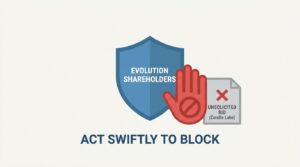
Shareholders of Evolution Mining have moved decisively to reject an unsolicited takeover approach from Candle Lake Mining, signalling strong confidence in the company’s standalone strategy and current leadership. The rejection, which unfolded with unusual speed, underscores a broader pattern in the mining sector where hostile or uninvited bids face increasingly organised resistance from institutional investors. What makes this case particularly striking is not just the outcome but the velocity of shareholder mobilisation behind it.
Why the Candle Lake Bid Collapsed So Quickly
Candle Lake’s approach, widely characterised as opportunistic by market observers, appears to have underestimated the cohesion among Evolution’s shareholder base. Rather than triggering the drawn-out proxy battles that often accompany contested mining deals, the response was swift and coordinated. Institutional holders rallied behind Evolution’s board within days, a timeline that suggests pre-existing alignment on the company’s valuation trajectory and growth pipeline.
That alignment matters because it sends a clear signal to other potential acquirers: Evolution’s investors are not looking for an exit at current price levels.
Strategic Signals Behind the Shareholder Response
Before examining the tactical details, it’s worth framing the broader implications. This rejection carries weight beyond a single deal. Here are the key strategic takeaways:
- Valuation confidence remains firm. Shareholders evidently believe Evolution’s intrinsic value exceeds what Candle Lake was prepared to offer, suggesting the market sees upside in the company’s existing asset portfolio.
- Board credibility is intact. The speed of the rejection indicates that Evolution’s leadership retains strong institutional trust, a currency that cannot be manufactured overnight.
- Hostile approaches in the mid-tier gold space are becoming harder to execute without a substantial premium
- Shareholder activism cuts both ways. While activist investors often push for sales, this case demonstrates that organised shareholders can just as effectively block unwanted transactions.
- Sector consolidation pressures persist. Even failed bids reveal underlying appetite for asset accumulation in the gold mining sector, particularly as production costs fluctuate and reserve replacement grows more challenging.
What Drove Candle Lake’s Approach?
The rationale behind Candle Lake’s bid likely centred on Evolution’s diversified Australian and Canadian gold operations, which have consistently delivered production growth over recent years. Gold miners with proven reserves and operational scale have become attractive targets as the commodity price environment remains elevated. Still, approaching a company with a loyal, concentrated shareholder register without offering a meaningful premium was, arguably, a miscalculation from the outset.
Whether Candle Lake returns with an improved offer remains an open question (a distinction the market will price in over coming sessions). But the initial rejection sets a high bar for any revised proposal.
The Broader M&A Landscape in Gold Mining
This episode fits into a wider pattern of consolidation attempts across the gold sector. Over the past 18 months, several mid-tier producers have either merged, been acquired, or fended off approaches. The logic driving these deals is straightforward: declining discovery rates for new deposits, rising all-in sustaining costs, and the persistent appeal of gold as a portfolio hedge in uncertain macroeconomic conditions. Yet not every deal gets done. And when shareholders push back this forcefully, it recalibrates expectations across the entire sector.
| Factor | Implication for Evolution | Implication for Candle Lake |
|---|---|---|
| Shareholder cohesion | Strengthens board’s negotiating position in any future approach | Signals need for significantly higher premium |
| Gold price environment | Supports standalone growth thesis | Increases cost of acquisition |
| Operational track record | Validates current management strategy | Makes hostile narrative harder to construct |
| Market sentiment | Positive signal to long-term holders | Reputational risk from a perceived lowball offer, which may complicate future deal-making |
How Shareholder Psychology Shaped the Outcome
Understanding why shareholders acted so quickly requires looking beyond financial models. Behavioural dynamics played a real role here. Institutional investors in mining companies often develop deep familiarity with asset-level fundamentals, reserve life, and management capability. This creates what behavioural economists call an endowment effect: holders value what they already own more highly than outsiders might estimate. When Candle Lake’s offer arrived, it collided with a shareholder base that had already internalised a higher valuation anchor.
There’s also a framing dimension. The bid was positioned as unsolicited, which immediately triggers defensive cognition among shareholders. Unsolicited approaches carry an implicit suggestion that current management has failed to unlock value. For a company like Evolution, which has delivered consistent operational results, that framing simply didn’t resonate. Shareholders perceived the approach not as an opportunity but as a threat to a strategy they had already endorsed through continued ownership.
Confidence bias reinforced the rejection further. When a shareholder base has witnessed sustained production delivery and prudent capital allocation, their confidence in future performance compounds. Breaking through that psychological barrier requires more than a modest premium. It demands a narrative compelling enough to override accumulated trust.
Frequently Asked Questions
Why did Evolution shareholders reject the Candle Lake bid?
Shareholders viewed the approach as undervaluing Evolution’s assets and growth prospects. The speed of rejection suggests strong alignment between the board’s strategy and investor expectations, with no appetite for a sale at the implied valuation.
Could Candle Lake return with a higher offer?
It’s possible, though the initial rejection sets a steep benchmark. Any revised approach would need to offer a substantial premium and a more compelling strategic rationale to shift shareholder sentiment.
What does this mean for gold sector M&A activity?
Failed bids don’t eliminate consolidation pressure. They recalibrate it. Acquirers across the sector will take note that well-managed producers with loyal shareholder bases cannot be picked up cheaply, which may push deal premiums higher in future transactions.