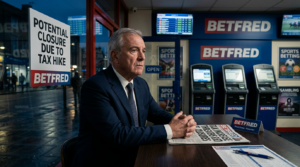
Fred Done, the founder of Betfred, has raised alarms over the future of his betting empire, indicating that an impending increase in UK gambling taxes could lead to the closure of the bookmaker. This warning comes amid ongoing discussions among UK regulators about reforming gambling taxation, which Done argues could prove unsustainable for operators like Betfred. The potential changes are being considered as part of a broader review of the gambling industry in the UK.
Implications of Tax Increases on the Gambling Industry
As the UK government contemplates adjustments to gambling taxation, stakeholders across the industry are closely monitoring the situation. The proposed tax hikes could significantly impact profitability for bookmakers, particularly smaller operators who may lack the financial resilience to absorb such costs. Done’s comments highlight a growing concern that excessive taxation could stifle competition and innovation in the sector.
Key Takeaways from Fred Done’s Statement
Done’s warning is not just a reflection of his personal views but a broader sentiment shared by many in the industry. The implications of potential tax increases extend beyond Betfred, affecting various stakeholders in the gambling ecosystem. Here are some strategic interpretations:
- Higher taxes could lead to reduced investment in technology and customer engagement initiatives.
- Smaller operators may struggle to compete, potentially leading to market consolidation.
- Increased operational costs could be passed on to consumers, affecting betting prices.
- Regulatory scrutiny may increase as operators seek to navigate the changing landscape.
- Done’s remarks could galvanize other industry leaders to voice their concerns, fostering a collective response to policymakers.
The Regulatory Landscape: Current Challenges
The UK gambling industry is facing a period of significant regulatory scrutiny. The Gambling Commission has been tasked with reviewing existing regulations to ensure they align with contemporary standards and public expectations. This includes examining the impact of taxation on market dynamics. The proposed reforms aim to strike a balance between generating government revenue and sustaining a competitive market.
Market Dynamics and Competitive Pressures
In recent years, the UK gambling market has witnessed a surge in competition, particularly from online operators. This has pressured traditional bookmakers like Betfred to innovate and enhance their offerings. However, as Done suggests, an increase in taxes could hinder these efforts. The financial strain may lead to cutbacks in service quality, marketing, and product development, ultimately affecting consumer choice.
Potential Impact on Employment and Local Economies
Beyond the immediate implications for business operations, an increase in gambling taxes could have broader socio-economic effects. Job losses within the industry could occur if companies are forced to downsize or close altogether. This would not only affect employees of Betfred but also local economies that rely on the gambling sector for employment and tax revenue.
External Factors Influencing the Decision-Making Process
The decision to increase gambling taxes does not exist in isolation. External factors, such as public sentiment towards gambling, ongoing discussions about responsible gambling, and the financial health of the government, will also play a significant role in shaping the outcome. Stakeholders must navigate these complexities while advocating for a sustainable regulatory framework.
Consumer Perspectives: What Do Gamblers Think?
Consumer sentiment towards potential tax increases is mixed. While some may understand the need for regulation, others are concerned about how it could affect their betting experience. Increased costs could deter casual gamblers, shifting the focus back to illegal or unregulated betting options, which poses risks not only to consumers but also to the integrity of the gambling market.
FAQs on the Potential Tax Increase
- What is the current tax rate for UK bookmakers?
The current tax rate for remote gambling operators is 21% on profits. - How might a tax increase affect betting prices?
Operators may pass on increased costs to consumers, leading to higher betting prices. - What are the potential consequences for smaller bookmakers?
Smaller operators may face financial strain, risking their viability in a competitive market. - When will the government announce changes to gambling taxation?
No specific timeline has been provided; stakeholders are awaiting further announcements from regulators.
Conclusion: The Future of Betfred and the UK Gambling Market
As the situation develops, the conversation around gambling taxation will likely intensify. Fred Done’s warning serves as a critical reminder of the delicate balance between regulation and market sustainability. The outcome of these discussions could redefine the landscape for bookmakers, consumers, and the broader economy.
For more information about Betfred, visit their official website: Betfred.



