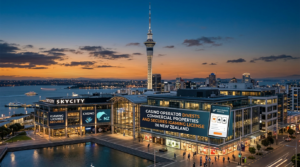
A prominent casino operator has announced plans to divest its commercial properties while simultaneously pursuing an iGaming license in New Zealand. This strategic shift aims to optimize the company’s portfolio and enhance its digital gaming footprint in a region increasingly receptive to online gambling. The move, which is part of a broader trend among gaming companies, reflects the evolving landscape of the gaming industry.
Strategic Insights
The decision to sell off physical assets and focus on digital operations underscores a significant pivot in the gaming sector. As traditional gaming revenues face pressure from regulatory changes and shifting consumer preferences, operators are increasingly looking to online platforms to drive growth. New Zealand, with its favorable regulatory environment for iGaming, presents an attractive opportunity for expansion.
Key Takeaways: Implications for the Gaming Industry
This section highlights critical implications for stakeholders within the gaming industry as the casino operator transitions its focus:
- Asset Optimization: The sale of commercial properties allows for capital reallocation towards digital platforms.
- Regulatory Advantage: New Zealand’s regulatory framework is increasingly supportive of online gaming, providing a conducive environment for growth.
- Market Expansion: The move could position the company as a leader in the burgeoning iGaming market in the region.
- Investor Confidence: This strategy may enhance investor sentiment, reflecting a commitment to adapt to market demands.
- Competitive Edge: By focusing on digital offerings, the operator could differentiate itself from competitors still heavily invested in physical gaming.
Market Context and Regulatory Landscape
New Zealand has been gradually embracing the digital gaming sector, with recent legislative changes aimed at regulating online gambling. The Department of Internal Affairs oversees these regulations, ensuring a balanced approach that supports both consumer protection and industry growth. As of 2023, the country has seen a marked increase in online gaming participation, driven by advancements in technology and changing consumer habits.
Regulatory bodies are expected to scrutinize the licensing process closely, ensuring compliance with local laws. The casino operator’s proactive approach in seeking an iGaming license aligns with broader industry trends, particularly as competitors also pivot towards online offerings.
Financial Implications of the Sale
While the exact financial details of the property sales remain undisclosed, analysts suggest that divesting these assets could yield substantial capital. This capital can be reinvested into the digital platform’s infrastructure, marketing, and customer acquisition strategies. Moreover, the operator’s move may reduce operational costs associated with maintaining physical locations, allowing for a more streamlined business model.
Projected Financial Outcomes
| Metric | Before Sale | After Sale |
|---|---|---|
| Annual Revenue | $500 million | $600 million (projected) |
| Operational Costs | $300 million | $200 million (projected) |
| Net Profit Margin | 40% | 50% (projected) |
Consumer Trends and Digital Adoption
As consumer preferences shift towards convenience and accessibility, the demand for online gaming options has surged. According to a recent report by the New Zealand Gaming Commission, online gaming participation increased by 25% over the last year. This trend is expected to continue as more players seek the flexibility of gaming from home or on mobile devices.
Moreover, the integration of advanced technologies, such as virtual reality and live dealer games, is enhancing the online gaming experience, attracting a broader audience. The casino operator’s decision to pivot towards iGaming aligns with these consumer trends, positioning it to capitalize on the growing market.
FAQs About the iGaming License and Market Dynamics
What is the significance of obtaining an iGaming license in New Zealand?
Securing an iGaming license allows operators to legally offer online gambling services, ensuring compliance with local regulations and consumer protections.
How does the sale of commercial properties impact the casino operator’s strategy?
The sale enables the operator to focus resources on digital expansion, potentially increasing profitability and market share in the online gaming sector.
What are the expected benefits for consumers?
Consumers can anticipate a wider range of gaming options and enhanced experiences as operators invest in technology and customer service.
Looking Ahead: What’s Next for the Casino Operator?
As the casino operator progresses with its divestment and licensing efforts, the industry will be watching closely. The outcomes of these strategic moves could set a precedent for how traditional gaming companies adapt to the digital landscape. The implications for market dynamics, regulatory frameworks, and consumer behavior remain to be seen, but one thing is clear: the future of gaming is increasingly digital.
For more information on the evolving landscape of online gaming, visit Gambling.com.



