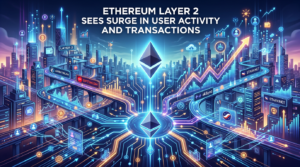
On October 21, Ethereum Layer 2 solutions reported a significant uptick in user engagement, with 629,142 active addresses recorded. This increase in activity is accompanied by a rise in both transactions and user-paid fees, reflecting a growing interest in Layer 2 technologies. The surge comes at a pivotal time for the Ethereum ecosystem, as developers and users alike seek more efficient and cost-effective ways to interact with the blockchain.
Market Dynamics and User Engagement
As Ethereum continues to face scalability challenges, Layer 2 solutions offer a promising alternative for users looking to reduce costs and improve transaction speeds. The recent numbers indicate not just a temporary spike, but a potential shift in user behavior towards these solutions. With Ethereum’s mainnet often congested, Layer 2 platforms have emerged as viable options for developers and businesses.
Strategic Insights from the Data
- The increase in active addresses suggests a growing user base adopting Layer 2 solutions.
- Higher transaction volumes indicate increased trust in Layer 2 technologies.
- Rising user fees may reflect a more mature market, where users are willing to pay for enhanced services.
- This trend could lead to more projects exploring Layer 2 integrations, further boosting Ethereum’s ecosystem.
- Potential implications for gas fees on the mainnet as users migrate to Layer 2 solutions.
Transaction Volume Growth
Transaction volume on Ethereum Layer 2 has also seen a notable increase. This growth can be attributed to several factors, including the launch of new decentralized applications (dApps) and an overall rise in decentralized finance (DeFi) activities. Users are increasingly recognizing the benefits of utilizing Layer 2 solutions to bypass the high gas fees and slow transaction times associated with the Ethereum mainnet.
Comparative Analysis of Layer 2 Solutions
| Layer 2 Solution | Active Users | Transaction Fees | Notable dApps |
|---|---|---|---|
| Optimism | 250,000+ | Low | Synthetix, Uniswap |
| Arbitrum | 200,000+ | Low | Curve, Aave |
| Polygon | 350,000+ | Very Low | QuickSwap, Aavegotchi |
Implications for Businesses and Developers
For businesses and developers, the rise in Layer 2 activity presents both opportunities and challenges. Companies can leverage these solutions to enhance user experiences, offering faster and cheaper transactions. However, they must also navigate the evolving regulatory landscape and ensure compliance with existing frameworks. Moreover, as competition among Layer 2 providers intensifies, businesses will need to carefully assess which platforms align best with their objectives.
Regulatory Considerations
As Layer 2 solutions gain traction, regulators are likely to pay closer attention. The decentralized nature of these platforms raises questions about compliance, particularly concerning user data and financial transactions. Companies operating in this space must remain vigilant and proactive in addressing regulatory concerns.
Key Takeaways on Layer 2 Growth
The recent surge in Ethereum Layer 2 activity signals a pivotal moment for the blockchain ecosystem. Here are some strategic interpretations:
- Increased user engagement highlights the need for businesses to adapt to evolving user preferences.
- Layer 2 solutions may redefine transaction models, influencing pricing strategies across the Ethereum ecosystem.
- Developers should prioritize building on Layer 2 to capitalize on lower fees and faster transactions.
- The competitive landscape will likely lead to innovation, driving better service offerings for users.
- Monitoring regulatory developments will be essential to mitigate risks associated with compliance.
Frequently Asked Questions
What are Layer 2 solutions?
Layer 2 solutions are protocols built on top of a blockchain (like Ethereum) designed to improve scalability and reduce transaction costs. They allow for faster processing by handling transactions off the main blockchain.
Why are users moving to Layer 2?
Users are attracted to Layer 2 solutions due to lower transaction fees and faster processing times compared to the Ethereum mainnet. This shift is particularly beneficial for high-frequency traders and users of decentralized applications.
What impact will this have on Ethereum’s mainnet?
As more users migrate to Layer 2, there may be a reduction in congestion on the Ethereum mainnet, potentially leading to lower gas fees. However, it also raises questions about the long-term viability of the mainnet if user activity continues to decline.
For more information on Ethereum and its Layer 2 solutions, visit Ethereum’s official website.