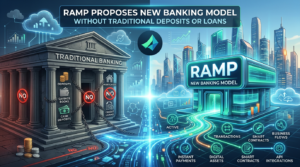
Ramp, a financial technology company, has announced plans to establish a new banking entity that will not engage in traditional banking activities such as accepting deposits or issuing commercial loans. Instead, the proposed bank aims to collaborate closely with existing banking partners to develop innovative financial products. This initiative is set to reshape the landscape of financial services by focusing on technology-driven solutions rather than conventional banking operations.
The announcement comes at a time when the financial sector is increasingly exploring alternative banking models, particularly in light of changing consumer preferences and regulatory pressures. By leveraging partnerships with established banks, Ramp seeks to provide tailored services that meet the evolving needs of businesses.
Strategic Insights into Ramp’s Banking Model
The implications of Ramp’s proposed banking model extend beyond its immediate offerings. By forgoing traditional banking functions, Ramp positions itself uniquely in a competitive landscape. Here are some key takeaways:
- Partnership-Driven Approach: Ramp’s strategy to build products alongside banking partners may enhance its credibility and market reach.
- Focus on Technology: The emphasis on tech-driven solutions aligns with current trends, potentially attracting a tech-savvy customer base.
- Regulatory Considerations: Operating without deposits may allow Ramp to navigate regulatory hurdles more effectively.
- Market Differentiation: This model could set Ramp apart from traditional banks, appealing to businesses seeking flexibility and innovation.
- Potential Risks: Without traditional revenue streams, the sustainability of this model will depend on the success of product partnerships.
Understanding the Market Implications
Ramp’s approach reflects a broader trend in the financial services industry, where fintech companies are redefining the boundaries of banking. By not engaging in deposit-taking or lending, Ramp sidesteps some of the regulatory complexities that traditional banks face. This could pave the way for more agile operations and faster innovation cycles.
Moreover, the collaboration with established banks allows Ramp to leverage existing infrastructure while minimizing capital requirements. This hybrid model could attract other fintech companies to consider similar strategies, potentially leading to a shift in how financial services are delivered.
Regulatory Landscape and Future Considerations
The regulatory environment will play a crucial role in shaping Ramp’s operations. While the absence of traditional banking functions may simplify compliance, the company will still need to navigate a complex web of financial regulations. This includes ensuring that its products meet consumer protection standards and adhere to anti-money laundering (AML) requirements.
What remains less clear is how regulators will respond to this new model. As fintech companies increasingly blur the lines between technology and banking, regulators may need to adapt their frameworks to accommodate these innovations.
Financial Product Development Strategy
Ramp’s strategy to develop financial products in collaboration with its banking partners underscores the importance of innovation in today’s financial landscape. By focusing on technology and user experience, Ramp aims to create solutions that not only meet regulatory requirements but also resonate with customers.
For instance, potential products could include automated expense management tools, real-time financial analytics, and customizable payment solutions. These offerings would cater to businesses looking for efficiency and transparency in their financial operations.
Potential Challenges Ahead
While Ramp’s model presents numerous opportunities, it is not without challenges. The reliance on partnerships with banks means that Ramp must ensure alignment in goals and operational practices. Any misalignment could jeopardize product development and market entry.
Additionally, the competitive landscape is intensifying, with numerous fintech startups vying for market share. Ramp will need to differentiate itself continually and adapt to changing market dynamics to maintain its competitive edge.
Frequently Asked Questions
What types of products will Ramp offer?
Ramp plans to develop financial products in collaboration with banking partners, focusing on technology-driven solutions tailored for businesses.
How does Ramp’s model differ from traditional banks?
Unlike traditional banks, Ramp will not accept deposits or issue loans, allowing for a more agile and innovative approach to financial services.
What regulatory challenges might Ramp face?
While avoiding traditional banking functions may simplify some regulatory issues, Ramp will still need to comply with various financial regulations and consumer protection laws.
How will Ramp ensure product quality?
By partnering with established banks, Ramp aims to leverage existing expertise and infrastructure to develop high-quality financial products.
For more details on Ramp’s offerings, visit their website at Ramp.