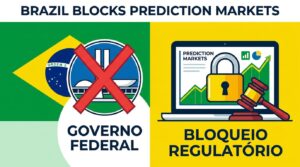
The Brazilian government has announced plans to block prediction markets, a move spearheaded by the Ministry of Finance. Officials argue that these markets are often used to circumvent existing legislation, thus warranting oversight similar to that imposed on sports betting platforms. This decision could significantly impact the burgeoning online gambling landscape in Brazil, which has seen increased interest and investment in recent years.
Strategic Insights on Brazil’s Regulatory Shift
The recent announcement from the Brazilian Ministry of Finance regarding prediction markets reflects a growing concern among regulators about the integrity of financial systems and the potential for unregulated gambling practices. This development comes at a time when the government is also focusing on enhancing its regulatory framework for various gambling activities. Understanding the implications of this decision is crucial for stakeholders in the gaming and financial sectors.
Key Takeaways from Brazil’s Regulatory Actions
As Brazil’s government intensifies its scrutiny of prediction markets, several strategic insights emerge for businesses and investors:
- The blocking of prediction markets could deter investment in emerging financial technologies within Brazil.
- Companies operating in the gaming sector must prepare for increased regulatory compliance and potential operational challenges.
- This move may push prediction market operators to seek alternative jurisdictions with more favorable regulations.
- Stakeholders should monitor ongoing discussions within the government as they may lead to broader implications for the gambling industry.
Contextual Background on Prediction Markets
Prediction markets, platforms where individuals can bet on the outcome of future events, have gained traction due to their perceived ability to harness collective intelligence. These markets function similarly to stock markets, allowing participants to buy and sell shares based on their predictions. However, the Brazilian government views them as potential vehicles for circumventing existing laws designed to regulate gambling.
Regulatory Implications for Stakeholders
The Brazilian Ministry of Finance’s stance on prediction markets aligns with a broader global trend where regulators are increasingly scrutinizing online gambling. The implications of this decision extend beyond immediate market access:
- Regulatory clarity is essential as businesses navigate the evolving landscape of gambling laws.
- Potential penalties for non-compliance could deter new entrants into the Brazilian market.
- Existing operators may need to reconsider their business models to align with regulatory expectations.
Market Reactions and Future Directions
The announcement has already prompted reactions from various market participants. Investors and operators are weighing the potential impact on their business strategies and financial forecasts. As the government continues to refine its approach to gambling regulation, stakeholders must remain agile and responsive to changes in policy.
Frequently Asked Questions
What are prediction markets?
Prediction markets are platforms where participants can bet on the outcomes of future events, such as elections or sports games, similar to how stock markets operate.
Why is the Brazilian government blocking prediction markets?
The Ministry of Finance claims that prediction markets can be used to circumvent existing legislation and should be regulated similarly to sports betting platforms.
What impact will this have on the gambling industry in Brazil?
This regulatory action may deter investment and complicate operations for companies in the gambling sector, potentially leading to a reevaluation of business strategies.
Understanding the Broader Implications
The decision to block prediction markets is part of a larger regulatory framework that aims to ensure fair play and consumer protection within the gambling sector. As Brazil seeks to modernize its gambling laws, the focus on prediction markets indicates an effort to address potential abuses and maintain market integrity. Stakeholders must consider how this regulatory climate will affect their operations and what strategies they can implement to mitigate risks.
For more information on the Brazilian government’s stance on gambling regulations, visit the official government website.



