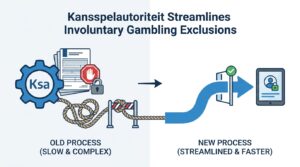
The Kansspelautoriteit (KSA), the regulatory body overseeing gambling in the Netherlands, has implemented significant changes to the evidentiary requirements for involuntary gambling exclusions. Announced on April 21, 2026, this policy shift enhances the role of legal administrators’ professional judgment, thereby accelerating the process for activating a client’s registration in the Central Register for Exclusion of Games of Chance (Cruks) to just two weeks.
Key Insights on KSA’s Policy Change
The recent changes by the KSA are poised to have a considerable impact on the gambling landscape in the Netherlands. Here are some key takeaways:
- The timeline for activating Cruks registration has been reduced from six weeks to two weeks, significantly enhancing the speed of protection for vulnerable individuals.
- Legal administrators now have greater discretion, allowing them to make quicker decisions based on professional judgment rather than exhaustive documentation.
- This shift may lead to increased registrations in Cruks, reflecting a proactive approach to responsible gambling.
- The KSA’s decision aligns with broader trends in regulatory frameworks aimed at protecting consumers in gambling markets.
- Operators may need to adjust their compliance strategies to align with these new evidentiary standards.
Understanding the Changes in Detail
Previously, the process of registering an individual for involuntary exclusion involved a lengthy bureaucratic procedure. Legal administrators were required to provide extensive documentation and proof of harm to the client’s estate, often resulting in delays that could last up to six weeks. This not only hindered immediate protection for vulnerable gamblers but also placed an administrative burden on legal entities involved.
With the new policy, the KSA has streamlined this process, enabling quicker intervention for individuals who may be at risk of gambling-related harm. The emphasis on professional judgment allows administrators to assess situations more dynamically, focusing on the immediate needs of the client rather than adhering to rigid documentation requirements.
Market Implications of the KSA Policy Shift
This overhaul is expected to have several implications for both operators and consumers in the gambling sector:
- Increased Registrations: The expedited process may lead to a rise in the number of individuals seeking exclusion from gambling activities, thereby promoting responsible gambling practices.
- Compliance Adjustments: Gambling operators may need to reassess their compliance protocols to ensure they align with the new evidentiary requirements set forth by the KSA.
- Stakeholder Engagement: Legal administrators and gambling operators will need to collaborate more closely to ensure that the new policies are effectively implemented and that vulnerable individuals receive the necessary support.
Regulatory Context and Future Developments
The KSA’s policy change comes amid a broader regulatory landscape that is increasingly focused on consumer protection and responsible gambling. As gambling markets evolve, regulators worldwide are exploring ways to enhance protections for at-risk populations. This trend is reflected in similar initiatives in other jurisdictions, where regulatory bodies are re-evaluating their approaches to gambling harm prevention.
Looking ahead, it will be crucial for stakeholders to monitor the effectiveness of these changes. The KSA’s move to prioritize professional judgment could serve as a model for other regulatory bodies aiming to balance consumer protection with the operational realities of gambling operators.
FAQs on the KSA Policy Changes
What is the Cruks registration process?
The Central Register for Exclusion of Games of Chance (Cruks) is a system that allows individuals to voluntarily or involuntarily exclude themselves from participating in gambling activities in the Netherlands.
How has the registration timeline changed?
Previously, the registration process could take up to six weeks. With the new policy, this timeline has been reduced to just two weeks.
What role do legal administrators play in this process?
Legal administrators are now empowered to make quicker decisions based on their professional judgment, reducing the reliance on extensive documentation.
What are the implications for gambling operators?
Operators may need to adapt their compliance strategies to align with the KSA’s new evidentiary standards, ensuring they support responsible gambling practices.
For more information on the KSA and its policies, visit the Kansspelautoriteit website.



