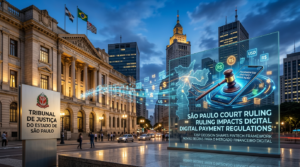
The 9th Federal Civil Court of São Paulo has intervened in a significant case concerning the regulation of digital payment services. This ruling centers on the ongoing dispute between major payment platforms and traditional banking institutions regarding compliance with Brazilian financial regulations. The outcome of this legal battle, which has implications for both consumers and businesses, underscores the evolving landscape of digital finance in Brazil.
As digital payment solutions gain traction among Brazilian consumers, the court’s decision will likely shape how these services operate, particularly in relation to user data protection and transaction transparency.
What This Ruling Means for Stakeholders
This ruling not only affects payment platforms but also sets a precedent that could influence regulatory frameworks across the region. Stakeholders must carefully evaluate the implications of this decision, as it may lead to tighter regulations or new compliance requirements in the digital payment sector.
Key Takeaways from the Ruling
The following points summarize the strategic implications of the São Paulo court’s ruling:
- Increased Compliance Scrutiny: Payment platforms may face heightened scrutiny from regulators, necessitating adjustments in operational protocols.
- Consumer Protection Focus: The ruling emphasizes the need for enhanced consumer data protection measures, aligning with global trends in digital finance.
- Potential Market Disruption: Traditional banks may leverage this ruling to challenge the competitive positioning of digital payment services.
- Regulatory Precedent: The decision could serve as a reference point for future cases, influencing how digital payment regulations evolve.
- Innovation in Payment Solutions: Companies may need to innovate their offerings to comply with new regulations while maintaining user engagement.
Background of the Case
The dispute arose when several digital payment platforms were accused of operating without proper licensing from the Central Bank of Brazil. This led to concerns about their ability to safeguard user data and ensure secure transactions. The court’s ruling is pivotal in determining the future operational landscape for these platforms, particularly as they navigate the complex regulatory environment.
Market Implications
The implications of this ruling extend beyond compliance. As digital payment solutions become integral to everyday transactions, businesses must adapt to a shifting regulatory landscape. The potential for increased compliance costs could impact pricing strategies for digital payment services, ultimately affecting end consumers.
Moreover, traditional banks may see this as an opportunity to reinforce their market presence by emphasizing security and reliability, which could further complicate the competitive dynamics in the financial sector.
Consumer Perspectives
From a consumer standpoint, the ruling may usher in improved protections regarding personal data and transaction security. As users increasingly rely on digital payment platforms, the expectation for transparency and accountability will rise. This shift could enhance consumer trust and potentially drive greater adoption of digital payment solutions.
Comparative Analysis: Global Trends in Digital Payment Regulation
Globally, the regulatory landscape for digital payments is evolving rapidly. Countries like the United States and members of the European Union are implementing frameworks that prioritize consumer protection and data security. Brazil’s recent ruling aligns with these trends, suggesting a move towards more stringent oversight of digital financial services.
Table: Global Digital Payment Regulations Overview
| Region | Key Regulations | Consumer Protection Focus |
|---|---|---|
| Brazil | Licensing requirements for payment platforms | Increased data security measures |
| EU | Payment Services Directive 2 (PSD2) | Strong consumer rights and data protection |
| USA | Consumer Financial Protection Bureau (CFPB) guidelines | Transparency in fees and data use |
Frequently Asked Questions
What are the main concerns regarding digital payment platforms in Brazil?
The primary concerns include compliance with regulatory requirements, data protection, and transaction security. The recent court ruling highlights these issues, emphasizing the need for platforms to adhere to established guidelines.
How might this ruling affect consumer behavior?
As consumers become more aware of their rights and protections, they may gravitate towards platforms that demonstrate compliance and prioritize data security. This could shift market dynamics as companies strive to build consumer trust.
What steps should businesses take in response to this ruling?
Businesses should assess their compliance strategies, invest in data protection measures, and consider how to communicate these changes effectively to consumers. Adapting to regulatory shifts will be crucial for maintaining competitiveness.
For more information on the evolving landscape of digital payments, visit this resource.