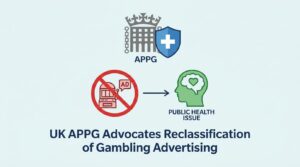
The All-Party Parliamentary Group (APPG) on Gambling Related Harm has released a significant report urging the UK government to classify gambling advertising as a public health issue. This recommendation marks a potential shift from the current self-regulatory model employed by the gambling industry to a more stringent legislative framework. The report highlights the inadequacy of existing measures to safeguard vulnerable populations, particularly young adults and individuals with pre-existing gambling disorders.
Strategic Implications for UK Market Stakeholders
The proposed transition to a public health framework introduces several critical shifts for operators and marketing affiliates active in the UK jurisdiction.
- Heightened Compliance Risk: Operators may face increased scrutiny and regulatory requirements, necessitating significant adjustments to their marketing strategies.
- Increased Operational Costs: The need for compliance with new regulations could lead to higher operational expenses.
- Market Access Challenges: Stricter regulations may limit access to advertising channels, affecting customer acquisition strategies.
- Reputation Management: Companies will need to enhance their corporate social responsibility efforts to align with public health standards.
Context of the Report
The APPG report emerges amid growing concerns over gambling addiction and its societal impacts. According to the UK Gambling Commission, approximately 0.4% of adults in the UK are classified as problem gamblers, with a higher prevalence among younger demographics. The APPG’s findings suggest that the current self-regulatory approach has failed to address these issues effectively.
Market and Regulatory Implications
The implications of reclassifying gambling advertising as a public health issue are profound. Stakeholders must prepare for:
| Implication | Description |
|---|---|
| Regulatory Changes | Potential introduction of new laws governing advertising practices. |
| Increased Oversight | Greater oversight from health authorities, impacting marketing strategies. |
| Consumer Protection Initiatives | Mandatory initiatives aimed at protecting vulnerable demographics. |
Stakeholder Reactions
Industry stakeholders have expressed mixed reactions to the APPG’s recommendations. Some operators argue that the existing self-regulatory framework is sufficient, while others recognize the need for enhanced protections for vulnerable groups. The Gambling Commission has stated its commitment to reviewing the effectiveness of current measures in light of the report’s findings.
Key Takeaways from APPG Report
The APPG’s call for a public health approach to gambling advertising has significant implications for the industry. Here are the key takeaways:
- Shift in Regulatory Landscape: A potential move towards stricter regulations could reshape the gambling advertising environment.
- Focus on Vulnerable Populations: Increased emphasis on protecting young adults and those with gambling disorders.
- Operational Adjustments Needed: Businesses may need to revise their compliance and marketing strategies.
- Long-Term Industry Impact: The proposed changes could have lasting effects on how gambling operators engage with consumers.
Future Considerations
As the UK government considers the APPG’s recommendations, operators must stay informed about potential regulatory changes. Engaging with policymakers and participating in discussions about public health initiatives may provide valuable insights for adapting to the evolving landscape. The gambling industry must balance profitability with social responsibility to ensure sustainable growth.
FAQs
What is the APPG?
The All-Party Parliamentary Group (APPG) on Gambling Related Harm is a group of Members of Parliament who focus on issues related to gambling harm in the UK.
Why is gambling advertising being reclassified?
The APPG argues that current regulations are insufficient to protect vulnerable groups, necessitating a public health approach to gambling advertising.
What are the potential consequences for gambling operators?
Operators may face increased compliance costs, operational adjustments, and the need to enhance their corporate social responsibility initiatives.
For further details on gambling regulations in the UK, visit UK Gambling Commission.



