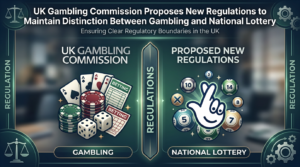
The UK Gambling Commission has announced a proposal aimed at reinforcing the separation between gambling activities and the National Lottery. This initiative is part of a broader strategy to regulate the gambling landscape more effectively, ensuring that the National Lottery remains distinct from other gaming operations. The proposed regulations are expected to have significant implications for stakeholders across the industry.
Strategic Insights on the Proposed Regulations
Understanding the potential repercussions of these regulations is crucial for industry participants. Here are key takeaways that highlight the business impact:
- The proposal aims to clarify the regulatory framework, which could influence how operators structure their offerings.
- Maintaining a clear boundary may affect marketing strategies, particularly for brands involved in both gambling and lottery services.
- Operators may need to adjust compliance measures to align with the new regulatory expectations, potentially increasing operational costs.
- Regulatory clarity could foster a more competitive environment, benefiting consumers through more transparent options.
Background of the Proposal
This move follows ongoing discussions regarding the gambling sector’s evolution in the UK. The Gambling Commission has been under pressure to ensure that the National Lottery does not compete unfairly with commercial gambling operators. The proposal is seen as a necessary step to preserve the integrity of the National Lottery, which generates significant funding for public good causes.
Stakeholder Reactions
Industry stakeholders have expressed varying perspectives on the proposed changes. Some operators view the regulations as a positive step towards clearer governance, while others worry about the additional compliance burdens. Notably, the National Lottery operators have welcomed the initiative, asserting that it will help maintain their unique position in the market.
Market Implications of the New Regulations
The potential impact of these regulations on the market cannot be understated. As operators begin to adapt to the proposed changes, several key factors will come into play:
- Compliance Costs: Companies may face increased costs related to compliance, necessitating adjustments in budgeting and financial forecasts.
- Consumer Trust: By clearly delineating gambling from lottery activities, the regulations could enhance consumer trust in both sectors.
- Competitive Landscape: The proposal might shift competitive dynamics, particularly among operators who offer both gambling and lottery services.
Regulatory Landscape Overview
The UK Gambling Commission’s move is part of a larger trend in regulatory frameworks worldwide, where governments are increasingly scrutinizing gambling activities. This proposal aligns with global efforts to ensure responsible gambling practices and protect consumers from potential harm. As regulators worldwide evolve their approaches, the UK may set a precedent for other jurisdictions.
What Remains Uncertain?
Despite the clarity the proposal seeks to provide, questions linger about its implementation. How will the Gambling Commission enforce these regulations, and what penalties will be imposed for non-compliance? These unanswered questions leave room for industry speculation and concern.
Potential Impact on Marketing Strategies
With the proposed regulations potentially altering the marketing landscape, companies will need to rethink their strategies. The clear boundary between gambling and the National Lottery could necessitate:
- Revised advertising campaigns that distinctly promote lottery products without associating them with gambling.
- Enhanced consumer education initiatives to explain the differences between the two sectors.
Frequently Asked Questions
What is the main goal of the proposed regulations?
The primary objective is to maintain a clear distinction between gambling activities and the National Lottery, ensuring that both sectors operate under appropriate regulatory frameworks.
How might these regulations affect consumers?
Consumers could benefit from increased transparency and trust in both gambling and lottery services, leading to more informed choices.
What should operators do in response to these proposals?
Operators should review their compliance frameworks and marketing strategies to align with the new regulations and prepare for potential changes in operational costs.
Conclusion: Moving Forward
As the UK Gambling Commission moves forward with this proposal, the implications for the gambling and lottery sectors will unfold. Stakeholders must remain vigilant in adapting to these changes, as the regulatory landscape continues to evolve.
For more information on the UK Gambling Commission and its initiatives, visit the official website.