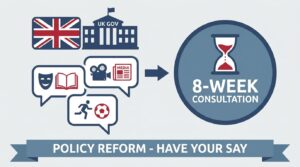
The UK’s Department for Culture, Media and Sport (DCMS) has opened an eight-week public consultation aimed at shaping the future regulatory and policy landscape across its remit. The consultation invites input from industry stakeholders, regulators, and the public on a range of proposals that could reshape how cultural institutions, digital media platforms, and the broader sports sector operate within the United Kingdom. While the specifics of the proposals span multiple sub-sectors, the overarching signal is clear: the government is actively seeking to recalibrate its approach to oversight in areas where technology, commerce, and public interest increasingly collide.
What the DCMS Consultation Signals for Industry Stakeholders
Before diving into the strategic takeaways, it’s worth framing what this consultation represents. An eight-week window is relatively compressed for the breadth of topics DCMS typically covers, suggesting the department may already have a preferred direction and is now stress-testing it against public and professional feedback. That compression alone should prompt affected organisations to respond promptly rather than treat this as a routine exercise.
- Organisations operating in digital media, broadcasting, and sports governance should prepare formal submissions before the consultation window closes, as outcomes could directly influence licensing, funding, and compliance frameworks.
- The consultation’s timing suggests alignment with broader UK government efforts to modernise regulation post-Brexit, particularly in areas where EU-derived frameworks are being reviewed or replaced.
- Cultural institutions and heritage bodies may face revised funding criteria or governance expectations depending on the direction the consultation takes.
- For the sports sector, any proposed changes could affect everything from grassroots funding allocation to the regulation of sports broadcasting rights.
- Digital media companies, especially those operating across borders, should monitor this process closely given DCMS’s expanding interest in platform accountability and content standards.
Why This Matters Right Now
The consultation does not arrive in a vacuum. DCMS has been under sustained pressure to clarify its regulatory stance on several fronts, from the implementation of the Online Safety Act to ongoing debates about public service broadcasting reform. And while consultations are a standard part of the UK legislative process, the scope here hints at something more ambitious than incremental adjustment.
Consider the context. The UK government has signalled repeatedly that it wants to position Britain as a global leader in creative industries and digital innovation. Achieving that requires a regulatory environment that balances protection with competitiveness (a distinction regulators have been slow to enforce in practice). This consultation arguably represents the next concrete step in translating political rhetoric into policy architecture.
Still, whether the consultation leads to meaningful structural change or simply refines existing frameworks remains an open question that stakeholders would do well to influence rather than observe.
Sectors in the Crosshairs
Three broad areas are likely to draw the most substantive responses during the consultation period.
Digital Media and Platform Regulation
The DCMS digital policy and platform governance agenda has expanded considerably in recent years. With the Online Safety Act now in force, attention is shifting to enforcement mechanics and the practical obligations placed on platforms of varying sizes. Smaller platforms, in particular, have raised concerns about disproportionate compliance burdens. The consultation could provide a mechanism for recalibrating those requirements.
Broadcasting and Creative Industries
Public service broadcasters face a landscape that looks fundamentally different from even five years ago. Streaming competition has eroded traditional audience models, and the question of how to fund and regulate public interest content in a fragmented media environment is far from settled. Any proposals emerging from this consultation could affect commissioning obligations, spectrum allocation, and the terms under which independent producers negotiate with major broadcasters.
Sport: Governance and Commercial Pressures
The sports sector sits at an unusual intersection of public passion and commercial scale. Recent debates around football governance reform have already demonstrated how politically charged these issues can become. This consultation may touch on regulatory oversight of sporting bodies, the distribution of broadcasting revenues, and safeguarding standards across grassroots and professional tiers.
How Organisations Should Approach the Consultation Window
An eight-week timeline demands structured preparation. Organisations that treat consultations as bureaucratic formalities often find themselves reacting to policy outcomes they could have shaped. The more effective approach involves several deliberate steps.
- Map exposure early. Identify which specific proposals or questions within the consultation directly affect your operations, revenue model, or regulatory obligations.
- Coordinate sector responses. Trade bodies and industry associations carry more weight when they submit unified positions backed by data.
- Engage legal and policy advisors who understand DCMS’s institutional tendencies and can frame submissions in language the department responds to.
- Quantify impact. Submissions that include economic modelling, employment data, or consumer research tend to carry significantly more influence than those built on principle alone.
The Broader Regulatory Trajectory
What makes this consultation particularly worth watching is its place within a larger pattern. The UK government has, over the past two years, launched or completed consultations touching AI regulation, data protection reform, and creative sector tax incentives. Each of these threads connects back to DCMS in some capacity. The cumulative effect could be a substantially reshaped regulatory environment for culture, media, and sport by the end of this parliamentary term.
But cumulative does not mean coordinated. One persistent criticism of DCMS-led reform is that individual consultations sometimes produce policies that sit uneasily alongside each other. A platform regulation framework designed without full consideration of broadcasting policy, for instance, can create gaps that neither regime adequately covers.
That tension between ambition and coherence is, arguably, the most important dynamic to track as this consultation unfolds.
Frequently Asked Questions
Who can participate in the DCMS consultation?
The consultation is open to all stakeholders, including businesses, regulatory bodies, trade associations, cultural institutions, and members of the public. Formal submissions are typically made through the government’s consultation portal.
How long is the consultation period?
Eight weeks from the date of opening. Given the breadth of topics covered, organisations are advised to begin preparing responses immediately.
What happens after the consultation closes?
DCMS will review submissions and publish a response document summarising the feedback received and outlining next steps. This could include draft legislation, revised guidance, or further targeted consultations on specific issues. Timelines for post-consultation action vary and have not been specified.
Does this consultation relate to the Online Safety Act?
While the consultation covers a broad range of DCMS responsibilities, it is likely to intersect with ongoing implementation of the Online Safety Act, particularly regarding platform obligations and enforcement approaches.



