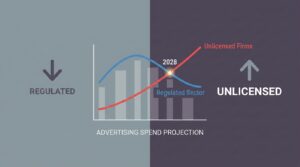
Recent research indicates that unlicensed gambling firms in the UK are poised to surpass their regulated counterparts in advertising expenditure by 2028. This shift reflects significant changes in market dynamics, as stakeholders navigate evolving regulatory landscapes and consumer behaviors. The implications of this trend are profound, impacting not only the gambling industry but also regulatory bodies and public health initiatives.
Key Insights on the Shift in Gambling Advertising
The following key takeaways highlight the strategic implications of the anticipated rise in advertising spend by unlicensed gambling firms:
The Future of Advertising in Gambling
As the landscape of gambling advertising evolves, events like the SBC Summit Canada 2026 are becoming increasingly relevant. This summit will explore the challenges and opportunities presented by the shifting advertising dynamics in Canada, particularly in light of the rising influence of unlicensed gambling firms. For more insights on how industry leaders are addressing these changes, see the details about the upcoming summit in Toronto at SBC Summit Canada 2026.
Why unlicensed gambling firms matters
The story around Unlicensed Gambling Firms Projected to Overtake Regulated Sector in Advertising Spend by 2028 fits into a broader sequence of market and compliance decisions. For context, see unlicensed gambling firms. A connected update on Google's 2025 Gambling Advertising Ban: Implications for Stakeholders helps clarify the strategic direction behind these changes.
Reading both pieces together can help readers track how positioning, licensing priorities, and execution are evolving. (In 2025, Google executed a significant removal of gambling advertisements across its platforms, a decision that reverberates through the digital advertising landscape. This move…)
- Market Disruption: The projected increase in unlicensed advertising spend signifies a potential disruption in the UK gambling market, challenging the effectiveness of current regulatory measures.
- Regulatory Response Required: As unlicensed firms gain market share, regulators may need to reassess existing frameworks to ensure consumer protection and fair competition.
- Public Health Concerns: The rise in unregulated advertising could exacerbate issues related to gambling addiction, prompting calls for increased awareness and preventive measures.
- Investment Strategies: Licensed operators may need to innovate their marketing strategies to retain customer loyalty and market share amidst rising competition from unlicensed entities.
- Consumer Behavior Trends: Understanding the motivations driving consumers towards unlicensed platforms will be crucial for licensed firms to adapt their offerings effectively.
Understanding the Current Landscape
The UK gambling market has undergone substantial transformations in recent years, driven by technological advancements and changing consumer preferences. According to a recent study by the UK Gambling Commission, the unregulated sector is expected to capture a larger share of advertising dollars, reflecting a shift in consumer trust and engagement.
Market Dynamics and Stakeholders
Key stakeholders in this evolving landscape include:
- Unlicensed Gambling Operators: These firms often operate outside regulatory frameworks, allowing them to allocate more resources to advertising without the constraints faced by licensed operators.
- Regulatory Authorities: Bodies such as the UK Gambling Commission are tasked with monitoring market activities and ensuring compliance, but may face challenges in addressing the rise of unlicensed entities.
- Consumers: Shifts in advertising spend may influence consumer choices, particularly among younger demographics who may be more susceptible to online gambling promotions.
- Public Health Advocates: Increased advertising from unlicensed operators raises concerns about gambling addiction and its societal impacts, leading to potential advocacy for stricter regulations.
Implications for the Regulated Sector
The anticipated dominance of unlicensed firms in advertising spend poses several implications for the regulated sector:
- Competitive Pressure: Licensed operators may experience heightened competition, forcing them to rethink their marketing strategies and customer engagement practices.
- Regulatory Scrutiny: The rise of unlicensed advertising could prompt regulators to implement stricter measures to level the playing field and protect consumers.
- Innovation in Marketing: Licensed firms may need to invest in innovative marketing techniques, leveraging data analytics to better target and engage their audiences.
Future Outlook
As the landscape continues to evolve, the interplay between unlicensed and licensed gambling firms will shape the future of the UK gambling market. Stakeholders must remain vigilant to adapt to these changes while balancing business interests with consumer protection.
Frequently Asked Questions
What is driving the increase in unlicensed gambling advertising?
Factors such as lower operational costs, fewer regulatory constraints, and changing consumer preferences are contributing to the rise in unlicensed gambling advertising.
How will regulators respond to this trend?
Regulatory bodies may need to enhance oversight and enforcement measures to address the challenges posed by unlicensed operators and ensure a fair competitive environment.
What are the potential public health implications?
The increase in unregulated advertising could lead to higher rates of gambling-related harm, prompting public health advocates to call for more comprehensive strategies to mitigate risks.
What strategies can licensed operators adopt to compete?
Licensed operators may need to focus on customer loyalty programs, targeted marketing, and innovative product offerings to retain market share in a competitive landscape.



