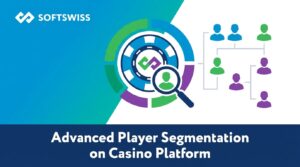
SOFTSWISS, the B2B technology provider behind a growing share of iGaming infrastructure globally, has introduced a player segmentation feature to its Casino Platform. The tool allows operators to classify their player base using behavioural, transactional, and demographic criteria, then target those segments with tailored bonuses and promotional campaigns. It marks a step toward more granular personalisation in an industry where retention economics increasingly dictate margin.
What Operators Gain from Granular Segmentation
Before diving into the specifics, it’s worth framing what this kind of feature actually changes for platform users. At its core, segmentation shifts the promotional model from broad-brush campaigns to precision targeting. That distinction matters more than it might sound.
- Operators can now group players by deposit behaviour, game preferences, activity frequency, and geographic location — enabling campaign logic that was previously manual or unavailable at the platform level
- The feature supports dynamic segment updates, meaning player classifications adjust as behaviour changes rather than remaining static after initial tagging
- Bonus allocation becomes conditional: operators can tie specific reward types to segment membership, reducing bonus abuse risk and improving cost efficiency
- Integration sits natively within the SOFTSWISS Casino Platform, requiring no third-party middleware
- Early indications suggest the tool is designed to complement SOFTSWISS’s existing CRM and gamification modules, not replace them
Why Personalisation Has Become a Competitive Lever
The iGaming sector has spent the last several years watching customer acquisition costs climb. In regulated European markets, the cost of onboarding a single depositing player can exceed €200 depending on the vertical and jurisdiction. That pressure has forced a strategic pivot: operators are spending less on acquiring new players and more on extracting lifetime value from existing ones.
Segmentation is the mechanical backbone of that shift. Without it, promotional budgets bleed into untargeted campaigns that reward low-value players at the same rate as high-value ones. With it, operators can calibrate spend against expected return. SOFTSWISS appears to be positioning this feature as a native answer to what many operators have historically solved through bolt-on CRM tools or manual spreadsheet logic (a distinction that matters more at scale than most vendors admit).
And while the concept itself isn’t new to digital marketing broadly, its integration directly into a casino platform backend is still relatively uncommon among mid-tier B2B providers. The major platform suppliers have offered variants of this for years. But for operators running on SOFTSWISS infrastructure, having it built in removes a layer of integration friction that often delays campaign execution by days.
How the Feature Works in Practice
According to details shared by the company, the segmentation engine allows operators to define custom rules based on multiple data dimensions. These include:
| Segmentation Criterion | Example Use Case |
|---|---|
| Deposit frequency | Identify players who deposit weekly vs. monthly to calibrate reload bonus timing |
| Game type preference | Separate slots-heavy players from table game users for targeted content delivery |
| Geographic location | Comply with jurisdiction-specific promotional restrictions by filtering segments by country |
| Player lifecycle stage | Distinguish newly registered users from dormant accounts to trigger reactivation flows |
| Wagering volume | Flag VIP-tier candidates automatically based on cumulative bet thresholds rather than manual review |
Segments can be combined using AND/OR logic, giving operators the ability to build layered audience profiles. A campaign could, for instance, target players in Germany who prefer live dealer games and have deposited more than three times in the past 30 days. That level of specificity wasn’t previously available without external tooling.
The Broader SOFTSWISS Platform Strategy
This release fits a pattern. Over the past 18 months, SOFTSWISS has steadily expanded its casino platform’s native capabilities, adding gamification tools, anti-fraud layers, and now segmentation. The trajectory suggests a deliberate effort to reduce operator dependency on third-party integrations, consolidating more of the tech stack under one roof.
Whether that consolidation benefits operators long-term depends on execution quality. Tightly integrated tools reduce friction, yes. But they also create switching costs. Operators evaluating the platform should weigh the convenience of native segmentation against the flexibility of best-of-breed CRM solutions from independent vendors.
Retention Economics and the Psychology of Targeted Rewards
There’s a behavioural dimension here that deserves attention beyond the technical specs. Segmentation doesn’t just improve operational efficiency; it changes how players experience the platform. When a bonus feels relevant, when a free spin offer arrives on a game a player actually enjoys, the psychological impact is measurably different from a generic promotion blasted to the entire database.
Research in behavioural economics consistently shows that perceived personalisation increases engagement and brand loyalty. In iGaming, where player churn rates can exceed 70% within the first 90 days, even marginal improvements in perceived relevance translate to meaningful retention gains. Operators who segment effectively aren’t just saving on bonus costs. They’re reshaping the player’s mental model of the brand itself, moving it from transactional to relational.
This matters because the operators who win the retention game aren’t necessarily the ones with the biggest budgets. They’re the ones whose communication feels intentional. A well-timed, well-targeted offer signals to the player that the platform understands their preferences. That signal, arguably, carries more weight than the monetary value of the bonus itself. SOFTSWISS’s segmentation tool gives operators the infrastructure to send that signal at scale, but the strategic intelligence behind how segments are defined still rests with the operator’s marketing team.
Still, tooling alone doesn’t guarantee sophistication. The gap between having segmentation capability and using it well is wide, and it’s a gap that separates competent operators from exceptional ones.
Frequently Asked Questions
What does the SOFTSWISS segmentation feature do?
It enables casino operators to classify players into groups based on behavioural, transactional, and demographic data, then deliver targeted bonuses and campaigns to each segment directly from the platform.
Do operators need third-party tools to use it?
No. The feature is built natively into the SOFTSWISS Casino Platform. That said, operators with existing CRM infrastructure may still choose to layer external tools on top for more advanced workflows.
Which criteria can operators use for segmentation?
Available dimensions include deposit frequency, game preferences, wagering volume, geographic location, and player lifecycle stage, among others. Segments can be combined using conditional logic for more precise targeting.
How does this affect player retention?
Targeted promotions tend to generate higher engagement than blanket campaigns. By matching offers to player behaviour, operators can reduce churn and improve the efficiency of their promotional spend, though outcomes depend heavily on how thoughtfully segments are designed.