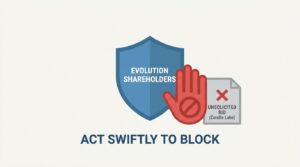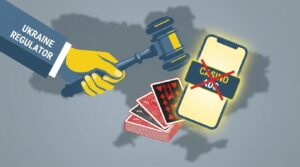
Ukraine’s gambling regulator, the Commission for Regulation of Gambling and Lotteries (KRAIL), has initiated direct contact with the livestreaming platform Kick regarding concerns over unlicensed gambling advertising broadcast to Ukrainian audiences. The move signals a sharpening regulatory posture toward offshore platforms that facilitate gambling promotions without proper authorisation in the Ukrainian market. While Kick has grown rapidly as an alternative to Twitch, particularly among gambling streamers, its exposure to regulatory scrutiny in jurisdictions like Ukraine underscores the widening compliance gap facing platforms that host gambling-adjacent content.
What Ukraine’s Approach to Kick Means for Platform Accountability
Before diving into the specifics, it helps to frame what this regulatory action represents in broader terms. KRAIL is not simply issuing a warning into the void. By contacting Kick directly, the regulator is testing whether a foreign-based streaming platform will engage with a national licensing framework it has, at least on paper, no obligation to follow. That tension sits at the heart of modern gambling regulation.
- KRAIL has identified gambling advertising on Kick that targets Ukrainian users without the required regulatory approval, making it unlicensed under Ukrainian law
- The regulator chose direct engagement over punitive action as a first step, a diplomatic but deliberate escalation
- Kick’s business model, which has attracted gambling streamers partly through more permissive content policies, now faces regulatory pressure from multiple directions
- This action could set a precedent for how other national regulators approach streaming platforms hosting gambling content
- The outcome of this contact may influence whether Ukraine pursues technical blocking measures or formal sanctions against the platform
Why Kick Became a Focal Point
Kick launched as a creator-friendly alternative to established streaming platforms, offering higher revenue splits and fewer content restrictions. That openness attracted a wave of gambling streamers who had been pushed off Twitch following its 2022 ban on certain gambling content. Slots streams, casino promotions, and affiliate-linked gambling broadcasts found a new home. And while that permissiveness fuelled rapid growth for Kick’s livestreaming platform, it also created a patchwork of compliance risks across jurisdictions.
Ukraine’s gambling market operates under a licensing regime established in 2020, when the country legalised gambling after a long prohibition. KRAIL oversees this framework, and its mandate includes policing unauthorised advertising. Gambling promotions aired to Ukrainian audiences without a licence from KRAIL fall outside the legal framework (a distinction regulators have been slow to enforce against platforms headquartered abroad).
The regulator’s decision to contact Kick directly, rather than simply adding the platform to a blocklist, suggests a preference for dialogue. Whether Kick reciprocates remains an open question.
The Compliance Gap in Cross-Border Streaming
Streaming platforms occupy an awkward regulatory space. They are not gambling operators. They are not advertisers in the traditional sense. Yet they host content that functions as both. When a streamer broadcasts a sponsored slots session to tens of thousands of viewers, including those in regulated markets like Ukraine, the platform becomes a distribution channel for gambling advertising. That much is straightforward.
What remains less clear is where legal responsibility falls. National regulators can sanction licensed operators who advertise without approval. They can fine domestic media outlets. But a streaming platform incorporated in another jurisdiction, hosting a creator who may be based in a third country, promoting a casino licensed in a fourth? The enforcement chain frays quickly.
KRAIL’s outreach to Kick is arguably an attempt to short-circuit that complexity. Still, the regulator’s leverage depends heavily on whether Kick sees Ukrainian compliance as worth the operational cost.
How Other Jurisdictions Have Handled Similar Issues
| Jurisdiction | Approach | Outcome |
|---|---|---|
| Australia | ISP-level blocking of unlicensed gambling sites | Reduced access but drove users to VPNs; limited impact on streaming platforms |
| United Kingdom | Advertising Standards Authority enforcement against social media gambling ads | Fines and content removal orders issued to operators, not platforms directly |
| Brazil | Emerging regulatory framework targeting influencer-led gambling promotions | Still under development; enforcement mechanisms remain unclear |
| Ukraine | Direct regulator-to-platform contact regarding unlicensed advertising | Pending response from Kick; no sanctions announced yet |
Reframing the Conversation: What Platforms Owe Regulated Markets
There is a broader principle at stake here, one that extends well beyond Ukraine or Kick specifically. As digital platforms become the primary channels through which gambling content reaches consumers, the question of platform responsibility intensifies. Traditional advertising regulation assumed a relatively small number of broadcasters and publishers. The current landscape looks nothing like that.
Platforms that profit from gambling content, whether through ad revenue, creator partnerships, or audience growth driven by high-engagement gambling streams, arguably bear some duty to ensure that content complies with local advertising laws. The counterargument, that platforms are neutral hosts, grows thinner each time a platform actively courts gambling creators or structures its policies to accommodate them.
Even so, expecting a global streaming platform to geo-filter advertising compliance on a country-by-country basis is a significant operational ask. The infrastructure exists, but the incentive structure often does not.
Frequently Asked Questions
What did KRAIL specifically request from Kick?
KRAIL has contacted Kick to address gambling advertising on the platform that targets Ukrainian users without the necessary regulatory licence. The precise terms of the request have not been made fully public, though the regulator’s focus is on bringing the platform’s gambling-related content into compliance with Ukrainian advertising law.
Is Kick banned in Ukraine?
No. As of now, Kick has not been blocked or banned in Ukraine. KRAIL’s approach has been to initiate dialogue rather than pursue immediate technical restrictions.
Could this affect gambling streamers on Kick?
Potentially, yes. If Kick implements geo-restrictions or content policies in response to regulatory pressure, streamers promoting gambling content could face limitations on their reach in certain markets. The ripple effects depend entirely on how Kick chooses to respond.
Why does Ukraine regulate gambling advertising so strictly?
Ukraine only legalised gambling in 2020 after years of prohibition. The regulatory framework was designed with tight controls on advertising to prevent unlicensed operators from exploiting the newly opened market. KRAIL treats unauthorised gambling promotion as a serious compliance matter.