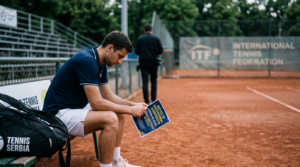
Serbian tennis player Stefan Milićević faces a significant setback as he is prohibited from playing, coaching, or attending any sanctioned tennis events. This decision stems from the ongoing sanctions imposed by the governing bodies of the sport, which have raised concerns regarding compliance with international regulations. The implications of this ban extend beyond Milićević himself, affecting the broader tennis community and its stakeholders.
Understanding the Ban: Context and Implications
The sanctions against Milićević have been a point of contention within the tennis community. Following a series of investigations into compliance issues, the International Tennis Integrity Agency (ITIA) announced the ban, which prohibits Milićević from all professional activities related to the sport. This action is part of a broader effort to maintain the integrity of tennis and ensure that all players adhere to established guidelines.
Key Takeaways from the Sanctions on Milićević
The ramifications of Milićević’s ban are multifaceted, impacting various stakeholders in the tennis ecosystem. Here are some strategic interpretations of this situation:
- Compliance Enforcement: The ITIA’s decisive action underscores the importance of compliance with international regulations, setting a precedent for similar cases.
- Impact on Player Careers: Milićević’s ban serves as a warning to other players about the potential consequences of non-compliance, which could deter future violations.
- Market Reactions: Sponsors and partners may reassess their associations with players and events under scrutiny, impacting funding and support.
- Regulatory Scrutiny: Increased attention on compliance may lead to stricter regulations and oversight within the sport, potentially reshaping operational frameworks.
- Community Response: Player reactions and public sentiment towards the sanctions could influence future governance and policy-making in tennis.
Stakeholders Affected by the Ban
Several parties are impacted by Milićević’s ban, each with their own stakes in the situation:
- Tennis Authorities: The ITIA and other governing bodies must navigate the fallout from the decision, balancing enforcement with player rights.
- Players: Fellow athletes may feel the pressure of compliance, knowing that their careers could be jeopardized by similar actions.
- Sponsors: Brands associated with Milićević or the events he would participate in might reconsider their investments, affecting financial support for the sport.
- Fans: Enthusiasts of tennis may express disappointment or support for the decision, which could influence the sport’s public image.
Regulatory Landscape and Future Implications
The regulatory environment surrounding tennis is evolving, with increased emphasis on integrity and compliance. The Milićević case is a pivotal moment that could shape future policies:
As tennis authorities tighten their grip on compliance, the precedent set by Milićević’s ban may lead to more stringent regulations across the sport. This shift could impact how players prepare for competition and interact with sponsors and fans. The ITIA’s ongoing efforts to ensure fair play and adherence to international standards will likely intensify, leading to a more structured framework for handling violations.
Market Reactions: The Broader Impact
In the wake of Milićević’s ban, market dynamics within the tennis industry are poised for change. Stakeholders are likely to reassess their roles and investments:
- Increased scrutiny on player conduct could lead to a more cautious approach from sponsors, affecting endorsement deals.
- Event organizers may implement stricter vetting processes for participants to avoid similar sanctions.
- Fans may demand greater transparency from tennis authorities regarding compliance issues, potentially reshaping communication strategies.
Frequently Asked Questions
What led to Stefan Milićević’s ban?
The ban was imposed due to compliance issues identified by the International Tennis Integrity Agency, which oversees regulations in the sport.
How long will the ban last?
The duration of the ban has not been specified, but it typically lasts until compliance is confirmed or further investigations are completed.
What are the potential long-term effects of this ban on tennis?
Long-term effects may include stricter regulations, increased scrutiny of player conduct, and potential shifts in sponsorship dynamics.
Conclusion: A Turning Point for Tennis Compliance
This situation serves as a critical juncture for tennis, emphasizing the need for adherence to regulations and the consequences of non-compliance. As the sport navigates this challenge, the focus will remain on maintaining integrity and fostering a competitive environment.
For further insights on compliance in sports and how it affects athletes, visit ITIA’s official website.