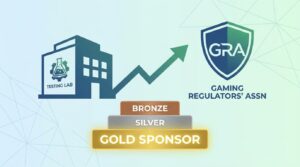
A prominent testing laboratory has advanced its partnership with a leading gaming regulators’ association by securing a higher-tier sponsorship. The move signals deeper alignment between compliance testing infrastructure and the regulatory bodies that oversee gaming markets worldwide. While specific financial terms of the upgraded sponsorship have not been disclosed, the escalation reflects a broader trend: testing and certification entities are investing more aggressively in their relationships with regulatory networks, positioning themselves as indispensable partners rather than mere service providers.
What This Sponsorship Upgrade Means for the Gaming Compliance Ecosystem
The decision to unlock a new sponsorship level carries implications that extend well beyond branding at conferences. For testing labs, proximity to regulators translates into influence over emerging standards, early visibility into policy shifts, and credibility that competitors without such affiliations struggle to match. Here are the strategic takeaways worth tracking:
- Regulatory access as competitive moat: Higher-tier sponsorships typically grant expanded participation in working groups, roundtables, and policy discussions that shape the compliance landscape before rules are finalized.
- Market positioning ahead of jurisdictional expansion: As new gaming markets open across the Americas, Europe, and parts of Asia, labs with established regulator relationships hold a structural advantage in winning certification contracts.
- Testing labs are no longer passive participants in the regulatory process; they are actively shaping the conversation.
- Signal to operators and suppliers: For gaming companies selecting a testing partner, a lab’s sponsorship tier with a regulators’ association functions as a proxy for institutional trust and engagement depth.
Why Testing Labs Are Doubling Down on Regulator Partnerships
The gaming industry’s regulatory architecture has grown substantially more complex over the past decade. Jurisdictions from Ontario to the Philippines have introduced distinct compliance frameworks, each with its own technical requirements for game fairness, random number generation, cybersecurity, and responsible gambling tools. For testing laboratories, this fragmentation creates both opportunity and operational burden.
Sponsoring a gaming regulators’ association at an elevated level is, in practice, a strategic hedge against that complexity. It keeps labs embedded in the conversations where harmonization efforts take shape (a distinction that matters more than most operators realize). And it ensures that when a regulator in a newly licensed market needs a trusted testing partner, the lab’s name is already familiar.
Still, not every lab can afford to play this game. Smaller certification bodies often lack the resources to sustain premium sponsorships alongside their core testing operations. The result: a market that increasingly consolidates around a handful of well-capitalized labs with deep regulatory ties.
The Broader Shift Toward Compliance-First Industry Culture
This sponsorship escalation fits within a larger pattern. Gaming companies across the value chain, from platform developers to payment processors, have been recalibrating their compliance investments. What was once treated as a cost center is now viewed as a strategic function.
Regulators themselves have encouraged this shift. Associations like the International Association of Gaming Regulators and similar bodies have expanded their engagement programs, offering tiered sponsorship structures that reward deeper participation with greater access. The model works because it aligns incentives: regulators gain funding and technical expertise, while sponsors gain influence and visibility.
But influence is a word that deserves careful handling here. Sponsorship does not buy regulatory outcomes. What it buys is proximity, and proximity, arguably, is the more valuable currency in an industry where a single regulatory interpretation can open or close a market overnight.
How Operators Should Read This Signal
For gaming operators and suppliers evaluating testing partners, a lab’s investment in regulatory relationships offers a useful data point. It suggests the lab is not merely reactive, waiting for standards to be published before adapting, but proactive in understanding where requirements are headed.
That distinction matters when launching in a new jurisdiction. A lab with strong regulator ties can often navigate ambiguous technical requirements more efficiently, reducing time-to-market for operators seeking licensure. In fast-moving markets like those in Latin America, where regulatory frameworks are still being drafted, this kind of institutional knowledge can shave weeks or months off a compliance timeline.
Frequently Asked Questions
What does a higher-tier sponsorship with a gaming regulators’ association typically include?
Benefits vary by organization but generally encompass enhanced visibility at regulatory events, participation in technical working groups, and opportunities for direct engagement with regulators from multiple jurisdictions. Some tiers also include speaking slots at annual conferences.
Does sponsoring a regulatory body affect testing impartiality?
At least on paper, no. Sponsorship arrangements are structured to maintain independence between regulatory oversight and commercial relationships. Testing labs remain bound by the same accreditation standards regardless of sponsorship status, though the optics invite scrutiny from time to time.
Why are testing labs increasing their regulatory investments now?
The rapid expansion of regulated gaming markets globally has intensified competition among labs. Deeper regulatory engagement helps labs differentiate themselves and stay ahead of evolving compliance requirements across dozens of jurisdictions simultaneously.



