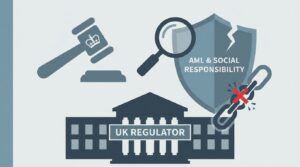
A British gambling operator has come under regulatory fire after the UK Gambling Commission identified serious deficiencies in its anti-money laundering (AML) controls and social responsibility obligations. The enforcement action highlights persistent compliance gaps that continue to plague parts of the licensed gambling sector, despite years of increasingly prescriptive regulatory guidance. For an industry already navigating tighter oversight and political scrutiny, the case adds fresh urgency to the question of whether operators are genuinely embedding compliance or merely performing it.
What the Regulator Found — and Why It Matters for the Sector
Before diving into the specifics, the broader pattern here deserves attention. The UK Gambling Commission has, over the past several years, escalated both the frequency and severity of its enforcement actions against operators failing to meet Licence Conditions and Codes of Practice (LCCP). This case fits squarely within that trajectory. Below are the critical takeaways for industry stakeholders:
- AML controls fell short of regulatory expectations — the operator failed to adequately identify and act on indicators of money laundering risk, a recurring theme across UKGC enforcement cases
- Social responsibility measures were insufficient to protect vulnerable customers, suggesting gaps in both detection systems and intervention protocols
- Regulatory tolerance is narrowing. Each successive enforcement action raises the baseline for what the Commission considers acceptable compliance infrastructure
- Operators across the sector should treat this as a signal to audit their own AML and safer gambling frameworks — before the regulator does it for them
- The reputational cost of public enforcement may, in practice, exceed the financial penalty itself
AML Deficiencies: A Familiar Problem That Won’t Go Away
Anti-money laundering compliance has been the single most common trigger for UKGC enforcement action over the past five years. And yet operators continue to stumble on the same requirements. In this case, the regulator found that the operator’s systems for monitoring customer transactions and identifying suspicious activity were inadequate. That means either the technology was not fit for purpose, the staff training was lacking, or both.
What makes these findings particularly pointed is the volume of guidance the Commission has already published. The UKGC’s AML guidance, updated multiple times since 2019, sets out explicit expectations around customer due diligence, source of funds checks, and escalation procedures. Operators are expected to apply a risk-based approach (a phrase regulators use often, though not all licensees interpret it the same way).
Still, the gap between written policy and operational reality remains wide at some firms. A compliance manual sitting on a server is not the same as a compliance culture embedded in daily operations. The Commission has made clear it will judge operators on outcomes, not documentation.
Social Responsibility: Where Customer Protection Broke Down
The social responsibility failings identified in this case point to a deeper structural issue. Operators licensed by the UK Gambling Commission’s regulatory framework are required to identify customers showing signs of gambling harm and intervene meaningfully. That includes monitoring for markers such as erratic deposit patterns, prolonged session times, and attempts to reverse withdrawals.
When these systems fail, real people are affected. The regulator has been explicit: social responsibility is not a box-ticking exercise. It requires active, ongoing engagement with customer data and, critically, a willingness to act on what that data reveals — even when doing so means turning away revenue.
This tension sits at the heart of the industry’s compliance challenge. Operators are commercial entities. Their incentive structures do not always align neatly with the regulator’s expectations around customer protection. Whether the current enforcement model adequately addresses that misalignment is a question the sector has yet to fully resolve.
How Operators Should Recalibrate Their Compliance Posture
For operators watching this case from the sidelines, the instinct might be to check their own AML and social responsibility policies and move on. That would be a mistake. The Commission’s approach has shifted from reactive to proactive, and its assessment methodology now looks beyond policy documents to examine how compliance functions operate in practice.
Several concrete steps can reduce exposure:
- Conduct independent audits of AML transaction monitoring systems, focusing on alert thresholds and escalation response times
- Review customer interaction logs to verify that safer gambling triggers are generating timely, proportionate interventions
- Ensure board-level visibility of compliance performance metrics — not just incident reports, but trend data that reveals systemic weaknesses
- Invest in staff training that goes beyond annual refreshers; scenario-based exercises tied to real enforcement outcomes tend to produce better results
The cost of proactive compliance investment is, by any reasonable measure, a fraction of the cost of enforcement — financial, reputational, and operational.
Frequently Asked Questions
What are the most common reasons the UKGC takes enforcement action?
Anti-money laundering failures and inadequate social responsibility measures account for the majority of cases. These two areas have been the Commission’s primary focus since at least 2018, and enforcement frequency has increased year on year.
Can operators lose their licence over these types of failings?
Yes. While many cases result in financial penalties and regulatory settlements, the UKGC retains the power to suspend or revoke licences where failings are severe or repeated. The threshold for licence revocation is high, but it is not theoretical — it has happened.
How does this affect the broader UK gambling market?
Each enforcement action incrementally raises compliance expectations across the sector. Operators that treat these cases as isolated incidents rather than systemic signals risk finding themselves on the wrong side of the next regulatory review. The direction of travel is clear: standards will continue to tighten.