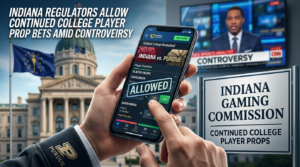
Indiana sportsbooks are set to maintain their operations for pregame college player prop bets following a decision by state regulators to reject a proposed ban. This ruling, announced by the Indiana Gaming Commission (IGC), comes after an extensive review of the current betting landscape and significant stakeholder input. The decision is particularly relevant as it underscores the ongoing debate surrounding the integrity of college sports and the regulation of sports betting in the state.
Strategic Insights on the Decision
The decision to allow pregame college player prop bets has far-reaching implications for both sportsbooks and regulators. Here are some key takeaways:
- Market Stability: The IGC’s ruling provides clarity for sportsbooks, allowing them to maintain a segment of their betting offerings that has proven popular among bettors.
- Regulatory Precedent: This decision may set a precedent for other states grappling with similar issues regarding college sports betting.
- Stakeholder Reactions: The ruling reflects an attempt to balance the interests of various stakeholders, including sportsbooks, college athletic programs, and regulators.
- Consumer Confidence: By allowing these bets, regulators aim to bolster consumer confidence in the integrity of the betting market.
- Future Legislative Actions: The decision could influence future legislative discussions about the scope of sports betting in Indiana and beyond.
The Regulatory Landscape of College Sports Betting
The IGC’s decision follows a growing trend among states to regulate sports betting more comprehensively. Many states have embraced sports betting as a means to generate revenue, especially in the wake of the Supreme Court’s 2018 decision that allowed states to legalize sports betting. However, the inclusion of college sports has been contentious.
In Indiana, the debate intensified as the IGC considered the potential risks associated with college player prop bets, including concerns about the integrity of college athletics. Opponents of college betting argue that it poses undue risks, particularly for student-athletes, while proponents highlight the economic benefits and consumer demand for these betting options.
Impact on Sportsbooks and Stakeholders
Sportsbooks in Indiana have welcomed the IGC’s ruling, viewing it as a necessary move to ensure market viability. The decision allows operators such as FanDuel to continue offering a wide range of betting options, including player prop bets, which have become increasingly popular among bettors.
Moreover, the ruling is poised to influence the competitive landscape. As sportsbooks vie for market share, the ability to offer college player prop bets may serve as a differentiating factor. This could lead to increased marketing efforts aimed at attracting college sports fans.
Potential Regulatory Challenges Ahead
While the IGC’s decision is a win for sportsbooks, it does not eliminate potential regulatory challenges. The conversation surrounding college sports betting is ongoing, with various stakeholders advocating for stricter regulations to protect student-athletes and maintain the integrity of college sports.
Regulators may face pressure to revisit this decision, particularly if concerns about betting-related scandals or integrity issues arise in the future. The IGC will likely need to remain vigilant and responsive to any shifts in public sentiment or emerging data regarding the impacts of college betting.
Market Implications of Continued College Player Prop Bets
The continuation of pregame college player prop bets opens several avenues for analysis regarding market dynamics and consumer behavior. The decision is expected to enhance the overall betting experience for consumers, particularly those who follow college sports closely.
Furthermore, sportsbooks may leverage this opportunity to enhance their offerings, integrating advanced analytics and data-driven insights to attract a more informed betting audience. The competitive pressure could lead to innovation in how bets are marketed and offered, potentially transforming the landscape of sports betting in Indiana.
FAQs About Indiana’s College Player Prop Bets Decision
- What are college player prop bets? These are bets placed on individual player performances in college games, such as total points scored or assists made.
- Why was there a proposal to ban these bets? Concerns about the integrity of college sports and the potential risks to student-athletes prompted discussions about banning these types of bets.
- How does this decision affect other states? Indiana’s ruling may influence how other states approach college sports betting regulations, potentially leading to similar decisions or legislative actions.
- What are sportsbooks doing in response to this ruling? Sportsbooks are likely to enhance their marketing strategies and offerings to capitalize on the continued popularity of college player prop bets.
Data-Driven Insights on Betting Trends
Recent data indicates that college sports betting has surged since legalization, with a notable increase in the volume of player prop bets. According to the American Gaming Association, college sports accounted for approximately 30% of all sports betting in Indiana in the last fiscal year. This trend highlights the growing appetite for college sports among bettors, reinforcing the importance of the IGC’s decision.
As the betting landscape continues to evolve, operators and regulators will need to adapt to changing consumer preferences and emerging technologies. The integration of mobile betting platforms and real-time data analytics is reshaping how bets are placed and monitored, making it essential for stakeholders to remain agile in this dynamic environment.
Concluding Thoughts on the Regulatory Future
The IGC’s decision to allow continued pregame college player prop bets marks a significant moment in Indiana’s sports betting landscape. As stakeholders navigate the complexities of college sports betting, the focus will remain on ensuring consumer protection while fostering a competitive market. What remains less clear is how this will shape future regulatory discussions and the overall trajectory of sports betting in the state.



