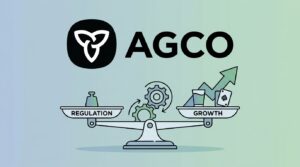
The Alcohol and Gaming Commission of Ontario (AGCO) has announced a series of regulatory changes aimed at reducing compliance burdens for licensed operators across the province’s alcohol, gaming, and horse racing sectors. The commission framed the initiative as a deliberate push toward sustainability and innovation, signalling that Ontario’s approach to industry oversight is shifting from prescriptive control toward a more outcomes-based model. The changes affect licensing processes, reporting obligations, and operational flexibility for businesses that have long navigated one of Canada’s more tightly regulated markets.
What the AGCO’s Regulatory Shift Means for Ontario’s Operators
Ontario’s regulated industries have operated under a dense web of compliance requirements for years. This latest move by the AGCO suggests the regulator is responding to sustained feedback from licensees who have argued that administrative overhead stifles growth and discourages new entrants. Before unpacking the specifics, here are the core strategic takeaways:
- Operational costs could drop measurably for small and mid-sized operators as redundant reporting and licensing steps are streamlined
- The AGCO is positioning Ontario as a more attractive jurisdiction for investment in alcohol retail, gaming technology, and hospitality
- A shift toward outcomes-based regulation gives operators more latitude in how they meet compliance standards, though enforcement expectations remain unchanged
- Innovation-friendly language from the regulator hints at upcoming digital and process modernisation across licensing platforms
- Horse racing stakeholders, often overlooked in broader gaming reform discussions, stand to benefit from reduced procedural friction
Breaking Down the Burden Reduction
At its core, the AGCO’s announcement targets what the commission describes as outdated or duplicative requirements that no longer serve a clear public interest purpose. This is not deregulation in the traditional sense. The regulator has been careful to distinguish between removing unnecessary process and weakening consumer or public safety protections (a distinction regulators have been slow to enforce in other Canadian provinces).
Specific measures include simplifying licence renewal procedures, reducing the frequency of certain mandatory filings, and consolidating overlapping requirements that currently force operators to submit similar information to multiple regulatory streams. For businesses holding multiple licence types, the cumulative effect of these changes could be significant.
Still, what remains less clear is whether these reforms will extend to the province’s rapidly expanding internet gaming and sports betting framework, where compliance complexity has grown in parallel with market size since Ontario opened its regulated iGaming market in April 2022.
Why This Matters Beyond Compliance
Regulatory burden is not just an administrative inconvenience. It shapes market structure. When compliance costs are high relative to revenue, smaller operators either consolidate or exit. Ontario’s alcohol retail landscape, for instance, has seen steady concentration among larger chains and brands, partly because independent operators struggle to absorb the fixed costs of regulatory compliance alongside rising input prices.
By easing those costs, the AGCO is arguably making a structural intervention in market competition. Whether that translates into more diverse market participation depends on execution. And on whether the reforms are deep enough to change the calculus for prospective entrants who have previously looked at Ontario’s regulatory environment and walked away.
The gaming sector presents a different dynamic. Ontario’s regulated iGaming market generated over C$2.3 billion in total wagers in its first full year, attracting dozens of licensed operators. But several smaller platforms have flagged compliance costs as disproportionate to their Canadian revenue, particularly when measured against the resources required to meet responsible gambling, anti-money laundering, and data reporting obligations simultaneously.
How Outcomes-Based Regulation Changes the Game
The phrase “outcomes-based regulation” carries weight here. Traditional prescriptive models tell operators exactly what to do: file this form, post this sign, train staff using this specific curriculum. Outcomes-based models define the result the regulator expects and leave the method to the operator.
In practice, this means a bar owner in Toronto and a casino operator in Niagara Falls might meet the same responsible service standard through entirely different internal processes. The flexibility is real. But so is the risk: operators who misjudge what constitutes an acceptable outcome may face enforcement action without the safety net of a prescriptive checklist.
That tension sits at the heart of every outcomes-based regulatory framework worldwide.
Comparative Regulatory Approaches in Canadian Provinces
| Province | Regulatory Model | iGaming Market Status | Burden Reduction Initiatives |
|---|---|---|---|
| Ontario | Shifting to outcomes-based | Open, competitive (since April 2022) | Active, announced by AGCO |
| British Columbia | Primarily prescriptive | Government-operated only | Limited modernisation efforts underway |
| Alberta | Mixed | Under review for potential opening | No major recent announcements |
| Quebec | Prescriptive with monopoly elements | Government-operated (Loto-Québec) | Minimal public-facing reform activity, though internal reviews have been reported |
Sustainability as a Regulatory Priority
The AGCO’s use of “sustainability” is worth interrogating. In regulatory language, sustainability typically refers to the long-term viability of both the regulatory framework itself and the industries it governs. It is not an environmental reference here. The commission appears to be acknowledging that a regulatory regime which drives up costs without proportional public benefit is, by definition, unsustainable.
This framing also gives the AGCO political cover. Burden reduction can be a contentious topic when public safety is involved. By tying reform to sustainability rather than industry lobbying, the commission positions its changes as forward-looking governance rather than a concession to commercial pressure.
Frequently Asked Questions
Does this mean Ontario is deregulating its alcohol and gaming industries?
No. The AGCO has emphasised that public safety and consumer protection standards remain intact. The changes target procedural and administrative requirements deemed redundant or disproportionate, not the substantive rules governing operator conduct.
Which operators will benefit most?
Small and mid-sized licensees holding multiple licence types are likely to see the greatest relative impact, since they currently bear duplicative compliance costs across several regulatory streams. Larger operators will benefit too, though the marginal effect on their overall cost base may be smaller.
When do the changes take effect?
The AGCO has not published a detailed implementation timeline. Operators should monitor the commission’s official channels for phased rollout details.
Will this affect responsible gambling requirements?
Nothing in the announcement suggests a weakening of responsible gambling obligations. The shift to outcomes-based regulation may change how operators demonstrate compliance, but the expected standards themselves are not being lowered.
What Comes Next for Ontario’s Regulated Markets
The AGCO’s announcement opens a door, but the threshold matters more than the gesture. Operators will be watching for the specific regulatory instruments that give these principles legal effect. Industry associations, meanwhile, are likely to push for the reforms to extend into areas the commission has not yet addressed, including data-sharing protocols and cross-jurisdictional licensing reciprocity.
Ontario has positioned itself as Canada’s most dynamic regulated market. Whether this latest move deepens that advantage or simply catches the province up to where operators already expected it to be is a question the next twelve months will answer.