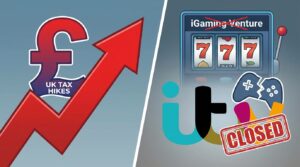
ITV, one of Britain’s most recognisable broadcasters, has pulled the plug on its iGaming operation barely two years after launch. The decision, confirmed in the company’s latest strategic review, follows a wave of regulatory cost pressures and tax increases that made the venture commercially unviable. What was once pitched as a natural extension of ITV’s brand reach into digital entertainment now joins a growing list of non-endemic operators retreating from the UK gambling market. The move raises pointed questions about whether media companies can realistically compete in a sector where margins are thinning and compliance costs keep climbing.
Why ITV’s Exit From iGaming Matters for the Broader Market
ITV’s departure is not simply a corporate footnote. It signals something structural about the economics of operating an iGaming brand in the UK under the current fiscal and regulatory regime. Below are the strategic takeaways that industry stakeholders should weigh carefully.
- Tax burden proved decisive: Recent increases to the UK’s remote gaming duty, combined with rising compliance and affordability check costs, eroded the already slim margins ITV was generating from its gambling platform.
- Brand recognition alone doesn’t guarantee viability: Despite ITV’s massive audience footprint, converting viewers into depositing players at a sustainable cost of acquisition remained a persistent challenge.
- Non-endemic operators face steeper hurdles than established gambling firms with mature player databases and optimised retention engines.
- Regulatory trajectory is discouraging new entrants: The UK Gambling Commission’s ongoing tightening of operator obligations, particularly around customer interaction and financial risk checks, adds operational weight that smaller or newer platforms struggle to absorb.
- Market consolidation accelerates: ITV’s exit reinforces a pattern where only well-capitalised, operationally experienced gambling groups can sustain UK-facing operations profitably.
The Tax Landscape That Broke the Model
At the heart of ITV’s retreat sits a fiscal environment that has grown increasingly hostile to operators without scale. The UK government’s approach to gambling taxation has shifted markedly over the past three years. Remote gaming duty currently stands at 21%, and there have been persistent signals from Westminster that further increases remain on the table (a prospect the industry has lobbied hard against, with limited success so far).
For a broadcaster experimenting with iGaming as a secondary revenue stream, these numbers hit differently than they do for a Entain or Flutter, where volume and diversification across multiple regulated markets help absorb domestic tax pressure. ITV’s platform, by contrast, was UK-only and lacked the player liquidity needed to offset rising per-player costs.
Still, taxation alone doesn’t tell the full story. The affordability checks framework proposed under the UK’s gambling white paper has introduced a layer of friction that disproportionately affects operators targeting casual, entertainment-driven players. That’s precisely the demographic ITV was courting.
What Went Wrong With the Strategy?
On paper, ITV’s logic was sound. The broadcaster commands nightly audiences in the millions. Its brands carry trust. And the UK iGaming market, worth over £6 billion in gross gambling yield, appeared to offer a natural adjacency for a media company already skilled at audience monetisation.
But iGaming is not advertising. The operational complexity of running a licensed gambling platform, from responsible gambling obligations to payment processing and anti-money laundering controls, demands specialist infrastructure. ITV’s digital entertainment ambitions ran into the reality that gambling is a compliance-heavy, capital-intensive business where customer lifetime value calculations are ruthlessly precise.
Arguably, the venture was underfunded from the start. Competing against operators spending hundreds of millions annually on marketing, technology, and CRM required a commitment level that sat uncomfortably alongside ITV’s core broadcasting priorities.
A Pattern Beyond ITV
ITV is not alone. Several media and entertainment brands across Europe have tested and abandoned iGaming extensions over the past five years. The pattern is remarkably consistent: initial enthusiasm driven by audience overlap, followed by a sobering encounter with regulatory overhead and customer acquisition economics that favour incumbents.
Even within the gambling industry itself, smaller UK-licensed operators have been exiting or consolidating. The market is gravitating toward a handful of large groups with the resources to manage what has become one of the most heavily regulated gambling jurisdictions globally.
Regulatory Pressures Show No Sign of Easing
The UK Gambling Commission has signalled continued focus on operator accountability. Enhanced due diligence requirements, mandatory customer interaction frameworks, and the looming implementation of a statutory levy on operators all point in one direction: higher operating costs.
| Cost Factor | Impact on Non-Endemic Operators | Impact on Established Operators |
|---|---|---|
| Remote Gaming Duty (21%) | Severe — limited revenue base to absorb | Manageable through scale and multi-market diversification |
| Affordability Checks | High friction with casual player base | Integrated into existing CRM systems at lower marginal cost |
| AML / KYC Compliance | Requires specialist teams and technology investment | Already embedded in operational infrastructure |
| Proposed Statutory Levy | Additional fixed cost on thin margins | Absorbed across larger revenue base, though still contested by industry bodies |
For operators like ITV, each line item in that table compounds. For a Flutter or bet365, these are costs of doing business. That asymmetry is what ultimately decides who stays and who leaves.
What This Signals for Media-Gambling Convergence
The idea that media companies and gambling operators would converge has been a recurring theme in investor presentations and industry conferences for the better part of a decade. And in some markets, particularly the US, partnerships between broadcasters and sportsbooks have gained traction. But owning and operating a gambling platform is fundamentally different from licensing a brand or selling advertising inventory to gambling companies.
ITV’s experience suggests that the convergence thesis, at least on paper, overstates how transferable media audiences are to gambling platforms. The friction points are real: regulatory, financial, and behavioural. Casual viewers do not automatically become engaged bettors, and the cost of converting them in a market with strict marketing rules and rising taxes makes the unit economics punishing.
Whether other media groups learn from ITV’s experience or repeat it remains an open question. The allure of the UK’s gambling market size continues to attract interest, even as the operating environment grows less forgiving.
Frequently Asked Questions
Why did ITV shut down its iGaming platform?
The primary driver was the increasing tax burden in the UK, particularly remote gaming duty at 21%, combined with escalating compliance costs tied to regulatory reforms. These factors made the venture commercially unsustainable for a non-endemic operator without scale.
Does this affect ITV’s core broadcasting business?
No. iGaming represented a small experimental revenue stream. ITV’s advertising and streaming operations remain its primary business lines, and the company has indicated it will refocus resources accordingly.
Could other media companies face similar outcomes in UK iGaming?
Very likely. The structural challenges ITV encountered, including high customer acquisition costs, regulatory complexity, and thin margins, apply broadly to any non-specialist operator entering the UK market without significant gambling infrastructure already in place.
Is the UK iGaming market shrinking?
Not in absolute terms. Gross gambling yield continues to grow. But profitability is concentrating among fewer, larger operators who can absorb the rising cost of regulation and taxation. Smaller or newer entrants face an increasingly difficult path to sustainable returns.



