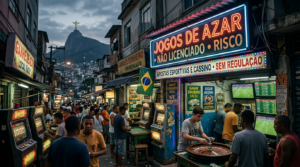
Brazil is facing a potential upheaval in its gambling sector, with estimates suggesting that the unlicensed gambling market could grow significantly. Recent discussions around regulatory frameworks have raised concerns about the country losing valuable betting intelligence. As Brazil navigates these complexities, the implications for both businesses and regulators are profound, affecting everything from revenue generation to consumer protection.
Understanding the Stakes: Key Insights
The evolving landscape of Brazil’s gambling regulations has caught the attention of industry stakeholders. Here are some strategic insights into the implications:
- Brazil’s unlicensed gambling market could expand to approximately $6 billion in the coming years if regulatory measures are not effectively implemented.
- Loss of betting intelligence could lead to increased criminal activity and fraud, undermining consumer trust.
- Regulatory bodies may face pressure to act quickly to mitigate risks and protect consumers, potentially leading to stricter enforcement measures.
- Operators in the licensed market could see a decline in revenue as unlicensed platforms gain traction.
- International partnerships may become critical for Brazilian regulators to develop effective oversight and compliance mechanisms.
The Current Regulatory Environment
As of now, Brazil’s regulatory framework for gambling is still under development. In 2018, legislation was passed to legalize sports betting, but the implementation has faced numerous delays. The lack of a clear regulatory path has allowed unlicensed operators to flourish, creating an environment where illegal activities can thrive.
According to recent data, the unlicensed segment is already estimated to account for around 70% of the overall gambling activities in Brazil. This figure highlights the urgency for regulators to establish a comprehensive framework that not only governs licensed operations but also effectively addresses the challenges posed by unlicensed entities.
Market Implications for Licensed Operators
For licensed operators, the emergence of a robust unlicensed market poses significant threats. Not only does it siphon off potential customers, but it also complicates the competitive landscape. Licensed companies are bound by strict regulations, which can limit their operational flexibility compared to unlicensed competitors.
This disparity may lead to a scenario where consumers gravitate towards unlicensed platforms due to perceived advantages such as better odds or fewer restrictions. The challenge for licensed operators will be to enhance their value propositions to retain their customer base.
Potential Consequences of Inaction
The ramifications of failing to address the unlicensed market could be severe. Beyond lost tax revenue, which is projected to be in the hundreds of millions annually, the rise of unregulated gambling could also lead to increased instances of problem gambling. Without proper oversight, vulnerable populations may be exposed to predatory practices.
Moreover, the absence of a legal framework could hinder Brazil’s ability to attract international investment in its gambling sector, stifling growth opportunities that could benefit the economy. In short, the stakes are high, and the time for decisive action is now.
Strategic Partnerships: A Path Forward
Given the complexities involved, forming strategic partnerships may be essential for Brazilian regulators. Collaborations with international gambling authorities can provide insights into best practices and innovative compliance solutions. Such partnerships could also help in developing technology-driven tools for monitoring and enforcement, thereby enhancing the integrity of the gambling market.
For instance, leveraging data analytics and AI could assist in identifying suspicious activities, enabling quicker responses to emerging threats. As the market evolves, so too must the strategies employed to safeguard it.
Frequently Asked Questions
What is the current state of gambling regulation in Brazil?
Brazil is in the process of developing a regulatory framework for gambling, with sports betting legalized in 2018 but implementation still pending.
How large is the unlicensed gambling market in Brazil?
The unlicensed gambling market in Brazil is estimated to account for approximately 70% of all gambling activities, potentially growing to $6 billion.
What are the risks associated with unlicensed gambling?
Unlicensed gambling can lead to increased criminal activity, loss of consumer trust, and a decline in potential tax revenues for the government.
Data-Driven Insights
To further understand the implications of Brazil’s gambling landscape, consider the following data points:
| Year | Market Size (Estimated) | Licensed vs. Unlicensed Share |
|---|---|---|
| 2021 | $2 billion | 30% Licensed, 70% Unlicensed |
| 2023 | $4 billion | 25% Licensed, 75% Unlicensed |
| 2025 (Projected) | $6 billion | 20% Licensed, 80% Unlicensed |
As illustrated, there is a clear trend indicating a growing unlicensed market share, which poses significant challenges for regulators and licensed operators alike.
For more insights on the gambling market, you can explore Betting.com, a resource for understanding various betting dynamics.



