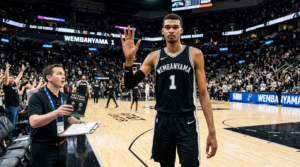
Victor Wembanyama, the San Antonio Spurs’ highly touted rookie, has publicly stated that he will not endorse any sports betting companies. This announcement comes amid growing concerns about the influence of sports gambling on young athletes and the integrity of the game. Wembanyama’s stance has drawn attention in the sports community, particularly as the betting industry continues to expand in the United States.
Wembanyama’s Position on Sports Betting
Wembanyama, who was selected as the first overall pick in the 2023 NBA Draft, emphasized his decision during a recent press conference. He expressed a commitment to maintaining a clear distinction between sports and gambling, stating, “I want to focus on my career and not get entangled in the betting world.” His remarks reflect a broader trend among athletes who are wary of the potential pitfalls associated with sports betting endorsements.
Key Takeaways: Implications for Athletes and the Industry
Wembanyama’s refusal to engage with sports betting companies highlights significant implications for the industry and professional athletes. Here are some strategic interpretations:
- Integrity Concerns: Wembanyama’s stance may resonate with fans and stakeholders concerned about the integrity of sports.
- Influence on Young Athletes: His decision could inspire other athletes to consider the long-term effects of endorsing gambling brands.
- Market Response: Sports betting companies may need to reassess their marketing strategies in light of potential pushback from players.
- Regulatory Scrutiny: The growing unease among athletes could prompt regulators to examine advertising practices in the sports betting sector.
- Brand Image: Wembanyama’s popularity may lead brands to rethink their partnerships with athletes who promote gambling.
Context of the Sports Betting Industry
The sports betting landscape in the United States has changed dramatically since the Supreme Court’s decision in 2018 to strike down the federal ban on sports wagering. States have since legalized sports betting, resulting in a surge of new companies entering the market. According to the American Gaming Association, the U.S. sports betting market is projected to reach $7 billion in revenue by 2025.
Despite the financial benefits, many athletes and former players have voiced concerns about the potential negative impact of gambling on sports culture. The fear is that increased gambling could lead to a compromise of game integrity, particularly with younger audiences who may be more impressionable.
Market and Regulatory Implications
Wembanyama’s decision to distance himself from sports betting endorsements may set a precedent for other athletes. As public figures, their choices can significantly influence public perception and market dynamics. If more athletes adopt a similar stance, sports betting companies may face challenges in finding endorsements that resonate with a younger demographic.
Additionally, this shift could lead regulators to impose stricter guidelines on how sports betting companies market their products to athletes and fans. The potential for increased scrutiny could reshape advertising strategies across the industry.
What This Means for Future Endorsements
As Wembanyama’s career progresses, his decision may influence how brands approach partnerships with athletes. The endorsement landscape could shift toward more cautious approaches, with companies seeking athletes who align with values of integrity and responsibility.
Furthermore, the trend of athletes prioritizing personal brand management over immediate financial gains from endorsements could redefine the relationship between sports and gambling.
Frequently Asked Questions
Why has Wembanyama ruled out sports betting endorsements?
Wembanyama aims to maintain a clear boundary between sports and gambling, focusing on his career rather than potential conflicts of interest.
What impact could this have on the sports betting industry?
If more athletes adopt similar stances, sports betting companies may need to adjust their marketing strategies to resonate with public sentiments regarding integrity.
How has the sports betting market evolved recently?
Since the Supreme Court’s ruling in 2018, the U.S. sports betting market has seen rapid growth, with projections reaching $7 billion in revenue by 2025.
Additional Considerations for Athletes
As the sports betting industry continues to expand, athletes must consider the implications of their endorsements carefully. The balance between personal branding and the ethical responsibilities that come with public influence is increasingly critical. Athletes like Wembanyama, who choose to prioritize their integrity, may pave the way for a new generation of sports figures who are more discerning about their partnerships.
Ultimately, the conversation around sports betting and athlete endorsements is evolving. With growing awareness of the potential risks, the industry may see a shift toward more responsible marketing practices that align with the values of athletes and their audiences.
For more information on the impact of sports betting on the industry, visit American Gaming Association.