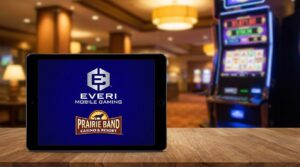
Prairie Band Casino & Resort, the tribal gaming property operated by the Prairie Band Potawatomi Nation in Kansas, has integrated Everi Holdings’ mobile gaming platform into its operations. The move signals a broader push by tribal casinos to meet patron expectations around digital convenience and on-property mobile engagement. While details on the specific rollout scope remain limited, the installation positions Prairie Band among a growing cohort of regional gaming venues investing in mobile-first player experiences.
What Prairie Band’s Mobile Bet Means for Tribal Gaming
The deployment is more than a technology upgrade. It reflects a strategic calculation by tribal operators about where patron engagement is heading, and how quickly properties need to adapt. Here are the key business takeaways:
- Prairie Band Casino & Resort has gone live with Everi’s mobile gaming solution, adding a digital layer to its on-site gaming experience
- Tribal casinos are increasingly adopting mobile platforms to retain players who expect smartphone-integrated entertainment
- Everi continues to expand its footprint in the tribal gaming segment, a market that accounts for a significant share of U.S. gaming revenue
- The installation could serve as a reference case for other mid-sized tribal properties evaluating mobile solutions
- Mobile gaming adoption at brick-and-mortar venues is becoming less of a differentiator and more of a baseline expectation
Why Mobile Matters at Regional Properties
Large-scale casino resorts in Las Vegas and Atlantic City have spent years layering mobile functionality into their ecosystems. Loyalty apps, cashless wagering, digital wallet integrations. But for regional and tribal properties, the calculus has been different. Budgets are tighter. Regulatory frameworks vary by jurisdiction. And the patron base, while loyal, skews toward players who may not demand the same digital sophistication.
That gap is closing fast.
Younger demographics entering the casino market carry different expectations. They want to check balances, browse promotions, and interact with gaming content from their phones. Properties that can’t deliver that risk looking outdated, even if the slot floor is brand new. Prairie Band’s decision to adopt Everi’s mobile gaming technology suggests its leadership recognizes this shift and is acting before it becomes a competitive liability.
Everi’s Expanding Tribal Footprint
For Everi, the installation adds another tribal venue to a portfolio that already spans hundreds of gaming locations across North America. The company has positioned itself as a full-stack provider, offering everything from physical slot cabinets and financial technology kiosks to digital solutions like mobile platforms and cashless systems. Arguably, it’s this breadth that makes Everi a natural partner for tribal operators who prefer consolidated vendor relationships over patchwork integrations.
Tribal gaming generated approximately $41.4 billion in gross gaming revenue in 2023, according to the National Indian Gaming Commission. That figure represents a market too large for any major supplier to ignore, and Everi’s continued investment in mobile solutions tailored to tribal regulatory environments reflects that reality. Whether this particular deployment at Prairie Band includes cashless wagering capabilities or remains focused on engagement and loyalty features has not been publicly detailed (a distinction that matters more than it might seem at first glance).
The Operational Shift Behind the Technology
Installing a mobile gaming solution isn’t simply a matter of plugging in software. It requires operational alignment across marketing, compliance, IT infrastructure, and floor management. Staff need training. Data flows need governance. And the patron-facing experience needs to feel seamless, not bolted on.
For a property like Prairie Band Casino & Resort in northeast Kansas, this kind of deployment likely involved coordination with the Prairie Band Potawatomi Nation’s gaming commission, internal technology teams, and Everi’s implementation group. The complexity is real, even when the press announcement reads as straightforward.
Still, the operational burden is increasingly justified by the data. Properties with active mobile platforms tend to see higher visit frequency, longer average session times, and improved loyalty program participation. These aren’t marginal gains. In a competitive regional market, they can shift market share.
How Mobile Integration Reshapes Player Psychology
Beyond the operational mechanics, there’s a behavioral dimension worth examining. Mobile platforms change how players relate to a casino property, not just during visits but between them. When a patron can check their rewards balance, receive a personalized promotion, or preview new game content from their phone on a Tuesday afternoon, the casino occupies mental real estate that would otherwise go dormant until the next weekend trip.
This is where principles from behavioral psychology and neuro-linguistic programming intersect with gaming technology. The language used in push notifications, the visual framing of reward milestones, the sequencing of offers: all of these elements can be calibrated to reinforce positive associations and encourage return visits. A well-designed mobile experience doesn’t just inform the player. It anchors the property as part of their routine.
Consider the difference between a generic email blast and a mobile notification that says, “You’re 200 points from your next reward tier.” The second message creates a sense of proximity to a goal, triggering what psychologists call the goal-gradient effect. Players who feel close to a milestone are measurably more likely to act. Mobile platforms make this kind of targeted, psychologically informed communication possible at scale, something a static loyalty card never could.
And the framing matters. Words like “unlock,” “earned,” and “exclusive” carry different weight than “available” or “eligible.” Tribal properties that invest in mobile aren’t just buying technology. They’re acquiring a communication channel that, when used with precision, can deepen player engagement in ways that feel personal rather than transactional.
Frequently Asked Questions
What is Everi’s mobile gaming solution?
Everi’s mobile gaming platform provides casino operators with digital tools to engage patrons through their smartphones, typically including loyalty program access, promotional offers, and in some cases cashless wagering functionality. The specific feature set varies by property and regulatory environment.
Why are tribal casinos adopting mobile platforms?
Patron expectations are shifting. Younger players especially expect smartphone integration as standard. Tribal properties that delay adoption risk losing ground to competitors who offer more convenient, digitally connected experiences.
Does this mean Prairie Band offers online gambling?
Not necessarily. Mobile gaming solutions deployed at brick-and-mortar casinos are often focused on on-property engagement, loyalty features, and cashless transactions rather than remote online wagering. Kansas’s regulatory framework for online gambling remains limited.
How large is the tribal gaming market in the U.S.?
The National Indian Gaming Commission reported approximately $41.4 billion in gross gaming revenue from tribal operations in 2023, making it one of the largest segments of the American gaming industry.



